
Nicholas Jones is a technical director, part of Tetra Tech’s offshore energy services team in the UK and Europe.
With a background in geoscience, Nicholas works with offshore developers to help them understand geological characteristics in their project site.
Having developed skills in survey design and an in-depth understanding of the needs of clients such as drilling and foundation engineers, he now leads our offshore energy geoscience consulting team. He works across technical projects, team leadership and project management for site investigation and characterisation.

What role do site investigations play for offshore energy developers and projects?
In offshore wind, geological conditions affect development costs, engineering and foundation design, the layout of the wind farm itself, and installation. At the leasing stage, geological desk studies help developers understand which areas they want to bid for. Armed with the right information, clients can make better, more informed decisions, weighing the geological factors against commercial needs.
In oil and gas, site selection supports de-risking. A thorough understanding of the geology and geohazards is needed for successful positioning and installation of jack-up rigs, drilling of the well, selection of relief wells to relieve pressure in the event of an emergency, and other risk assessment and contingency planning.
How does Tetra Tech support offshore energy clients through our geoscience services?
Collaboration is a big part of what we do. We support developers, engineers and project managers, and we often work with other specialists, such as our site operations and marine UXO (Unexploded Ordnance) teams. We might also contribute to metocean and environmental impact assessment projects.
One of our team’s priorities is offering user-friendly deliverables. We thought that there was a gap in the market for reporting that’s truly focussed on end-user needs —giving the right level of detail depending on what it will be used for and who by. If you come to us for a desk study, what we offer is highly tailored, helping clients find answers to the questions they’ll have going forward.
What trends do you see emerging for the future of geoscience in energy projects?
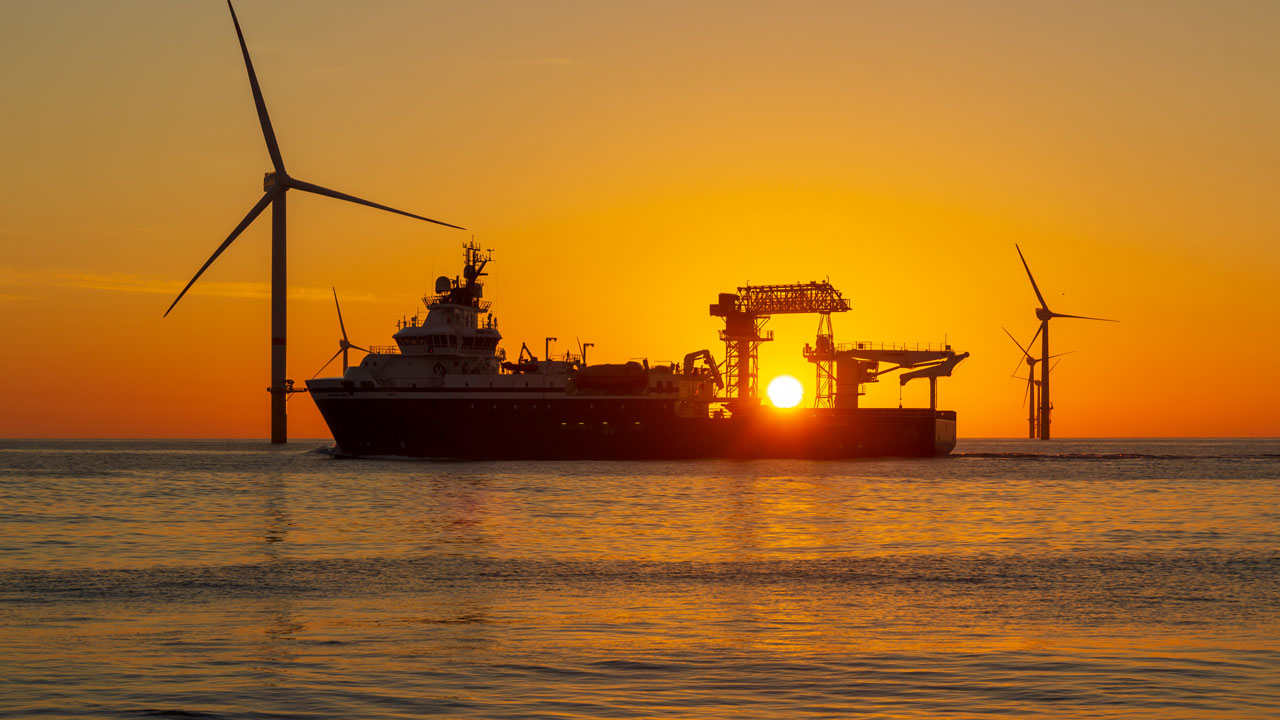
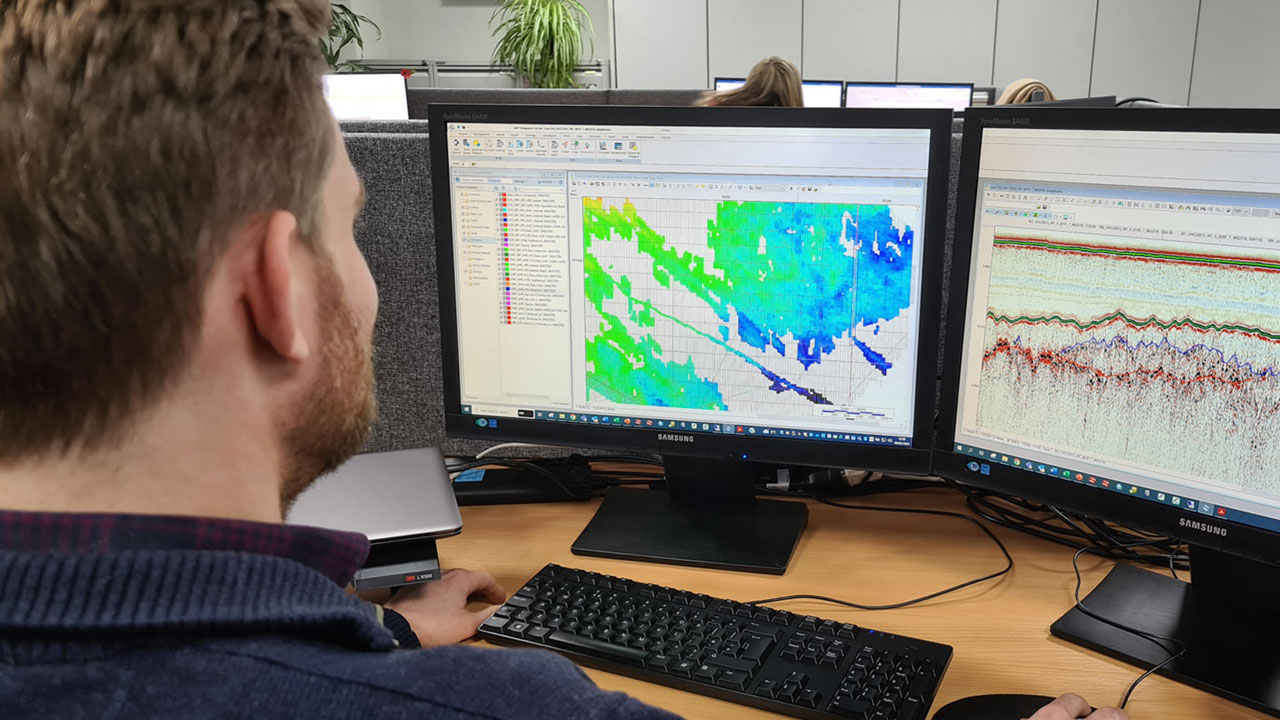
The ongoing energy transition to renewables will mean even greater demand for geoscience skills. For example, floating offshore wind is a new technology that anchors the turbines to the seabed. This means that there are more contact points to de-risk. This is one reason for the growing interest in exploring the potential of 3D UHRS (Ultra-High Resolution Seismic) geophysical surveys, which is an approach we support.
3D surveys give full subsurface data coverage and support greater flexibility in deciding anchoring positions. They also mean fewer surveys are needed; although this would mean more investment upfront, it saves clients money in the long run. At an industry-level, the technology will open up areas of deeper seabed for development, allowing countries without suitable shallow water areas to explore the potential of offshore wind. Deep water doesn’t come without its challenges, though – these areas often present more complex and less known/explored geological conditions.
With 3D surveys, geoscientists will also be able to deliver the necessary data and interpretations faster: project leaders will be able to make more informed decisions more quickly, which will ultimately help shorten timelines so governments can reach their Net Zero targets.
What are some of the innovative projects you've supported at Tetra Tech?
I’m lucky enough to work with a really strong team, who have a lot of experience in key locations, such as Western Europe for offshore wind and on oil and gas projects in deep water offshore west Africa.
One of my most interesting and challenging projects to date was for a well that had failed. We were brought in to help understand what had happened and if geology or geohazards had played a role. We also mapped the shallow geological conditions and hazards over the field to find suitable locations for drilling and jack-up rig foundations. It was critical to pinpoint exact locations that would meet the ideal conditions for both.
This was quite an involved project with lots of variables to consider and I really enjoyed learning the survey design process (this was one of my first projects with this company). I also liked the fast-paced nature of the operational phase. I’d been used to projects where the turnaround time was quick, but fairly standard. The variety of projects we take on in our team means we’re adaptable, as well as using our technical knowledge – which is easily transferable between oil and gas and offshore wind projects.
What makes Tetra Tech stand out?
We optimise projects to help clients meet their time, cost and safety management needs. Essentially, we’re doing the ‘homework’ and preparation that mean they can have greater confidence during the operational phase. We also like to engage with our clients—for example, delivering workshops where developers can ask questions about our results and get to grips with the information.
Good client feedback is really great to receive but so is knowing that our work feeds into enabling the next stage of a project. It’s very satisfying to hear when projects we’ve worked on reach major milestones. For example, prior to working for Tetra Tech, I worked on preliminary interpretation for Dogger Bank Offshore Wind Farm; that project started producing energy in the last 18 months.
Tetra Tech explores key challenges for developers. Our offshore wind consultancy team provides solutions and insights for developing in the Celtic Sea.
Connect with us. Reach out to our offshore energy experts in the UK and Europe.