Marine Mammals and the Ecological Effects of Subsea Noise
Tetra Tech supports clients to assess, monitor, and mitigate potential effects, advising on compliance requirements for undersea noise in offshore development.
Man-made noise in the marine environment can significantly affect aquatic life. In many countries, offshore development projects must assess, monitor, and mitigate subsea noise related to their activities.
Our team advises governments and other stakeholders and helps developers meet their obligations and compliance requirements.
Our highly experienced marine ecologists include leading voices in marine mammal assessment. Their work has guided UK regulation (marine noise policy introduced in by DEFRA in 2025) and their involvement in key research projects keeps them at the forefront of marine ecology and the offshore energy and development industries.
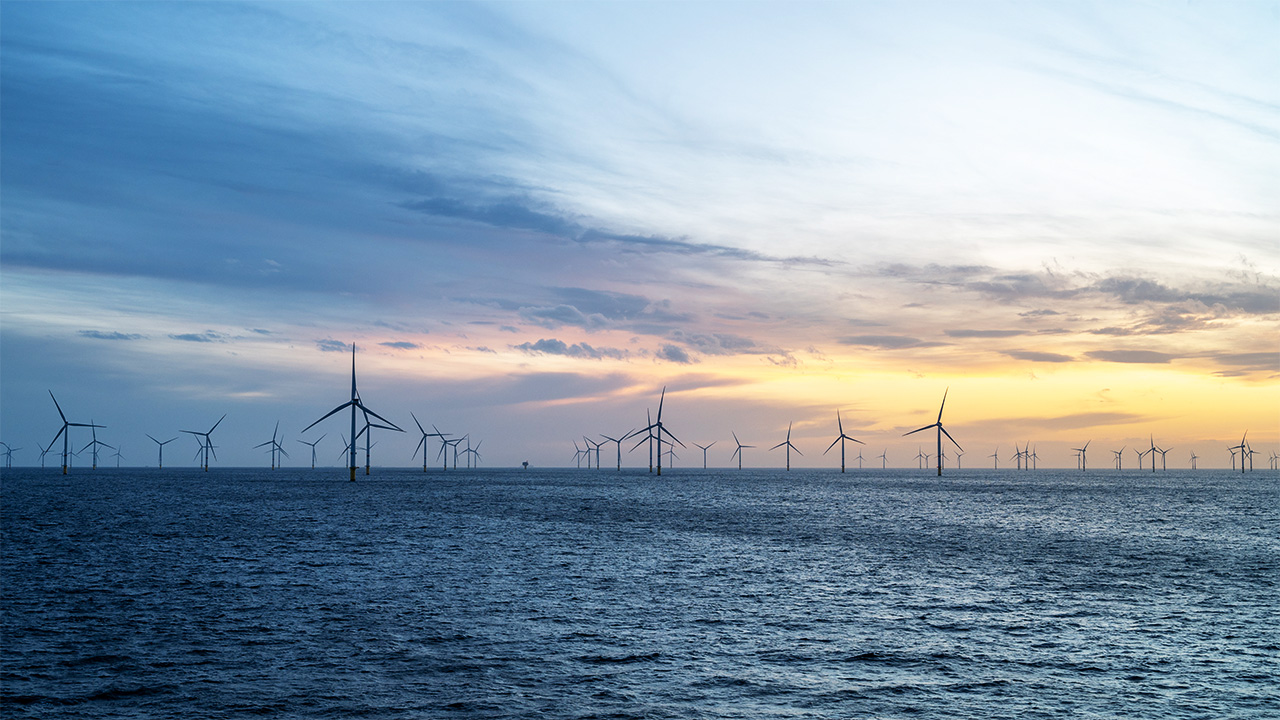
Mona Offshore Wind Farm
Tetra Tech served as lead environmental impact assessment (EIA) and habitat regulation assessment (HRA) consultant for the Mona Offshore Wind Project. Our marine mammal specialists supported technical chapters and appendices including spatial density estimates and mapping using digital aerial survey (DAS) data, population modelling, and mitigation planning. They worked closely with subsea noise modellers to deliver a robust assessment of the impact of elevated sound on marine mammal species and worked internationally on sites designated for the protection of marine mammals during all phases of the project.
A key component of the submission was development of an Underwater Sound Management Strategy to demonstrate to the Regulators and stakeholders how sound would be managed to reduce the risk of injury and disturbance. The Mona Offshore Wind Farm was awarded a Development Consent Order by the Secretary of State in July 2025.
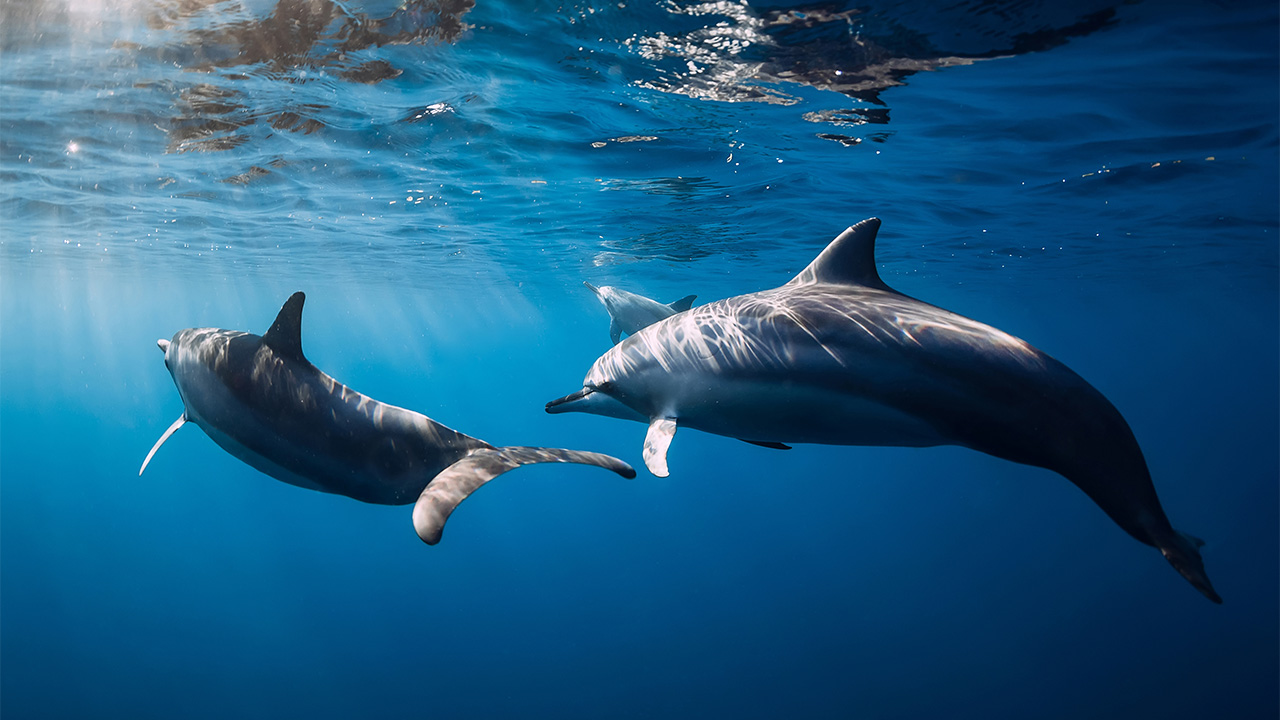
JNCC Acoustic Deterrent Device Guide
There is a wide range of commercially available acoustic deterrent devices (ADDs) on the market with applications across different offshore industries and for different marine mammal species. Applications range from reducing bycatch, to deterring marine mammals from potential auditory injury zones from offshore construction activities. ADDs encompass a wide range of acoustic characteristics depending on their intended application.
Our team was commissioned by the UK’s Joint Nature Conservation Committee (JNCC) to produce a guide for the Statutory Nature Conservation Bodies (SNCBs), which provides a review of the evidence-base underpinning the application of a wide selection of ADDs across a suite of marine mammal hearing groups. The guide, originally published in 2022, was updated in 2025.
Related marine life services
Licensing and assessment
- Environmental Impact Assessments (EIA) or Environmental Appraisal Reports for a range of industries (including oil and gas, ports, and offshore wind) and activities (vessels, piling, UXO clearance)
- Habitats Regulations Assessment and Likely Significant Effects Screening and assessment against conservation objectives of Special Areas of Conservation (SACs)
- European Protected Species risk assessments and supporting information for licensing
- Advice and support through planning applications including during examination and hearings (expert witness)
Monitoring and compliance
- Marine mammal monitoring design and survey programmes
- Design of Marine Mammal Mitigation Protocol (MMMP)
- Development of post-consent plans and compliance reporting
- In-house capability including subsea noise modelling, provision of Protected Species Observers (PSOs) and Passive Acoustic Monitoring (PAM) technicians and remote monitoring for marine mammal mitigation, and Unexploded Ordnance (UXO) studies
Data analysis
- Interpretation and analyses of aerial survey data and passive acoustic monitoring data
- Density surface modelling and design-based modelling with bootstrapping for density and abundance estimates
- Population modelling (iPCoD) to detect long term changes in marine mammal populations in relation to effects of subsea noise from piling
Research and engagement
- Academic research and reporting for strategic government-funded or industry-funded workstreams
- Stakeholder engagement—we have excellent working relationships with regulators, Statutory Nature Conservation Bodies (SNCBs), Non-Governmental Organisations (NGOs), industry, and other stakeholders.
Read our chapter on piling noise abatement published by Springer Nature (April 2026).
Spotlight on subsea acoustics
Our marine ecologists work closely with our subsea acoustics group, who support permitting/consenting by quantifying man-made noise in the marine environment. They contribute to the assessment of compliance with regulatory limits, including the estimation of impact zones for marine species that guide noise mitigation strategies.
The group has extensive international project experience analysing a wide variety of sound sources. Capabilities include predicting the source levels and frequency of underwater noise from activities including pile-driving, drilling, seismic surveys, wellhead severance, cable trenching and pipeline laying, underwater blasting, boat movements and shipping, and dredging.
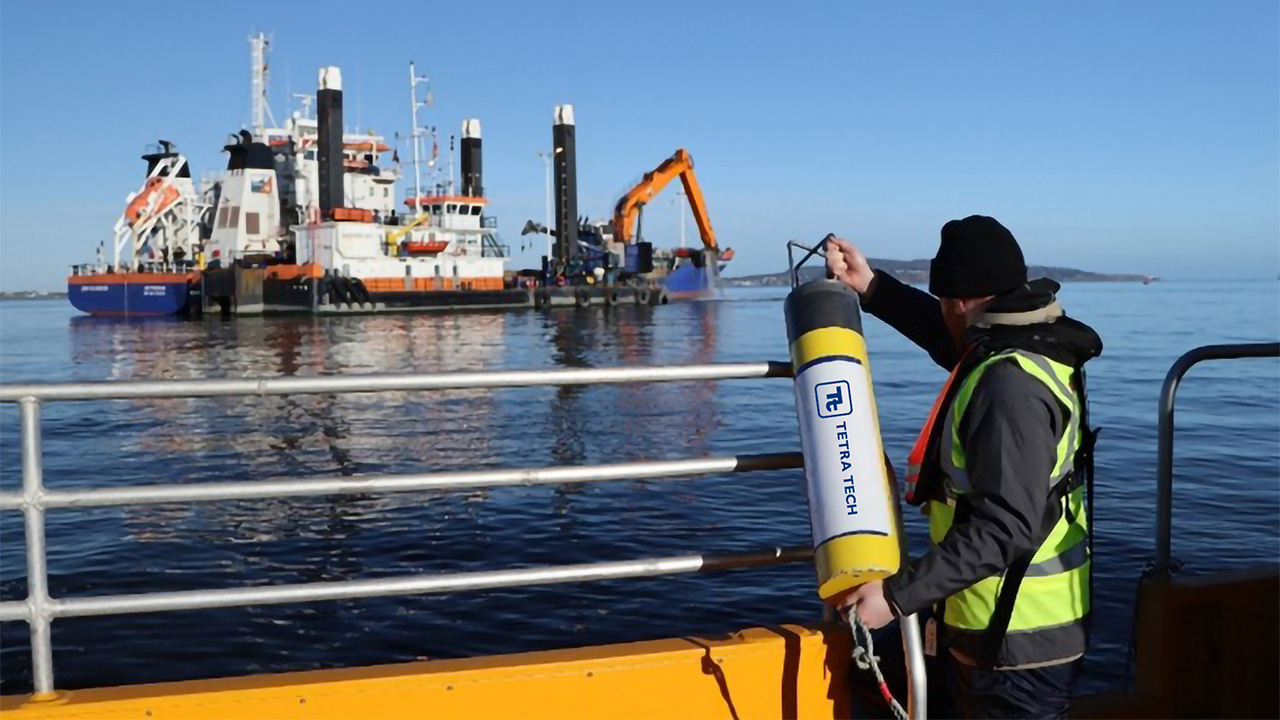
In addition to unique acoustic modelling capabilities, the group supports underwater acoustic field work, which may be required to quantify baseline, construction noise levels, operational sound levels, sound field verification, or for other purposes. We design effective monitoring protocols as well as providing vessels, staff and equipment.