Capturing Reliable Data with 4D Seismic Monitoring for Sleipner West Carbon Capture and Storage
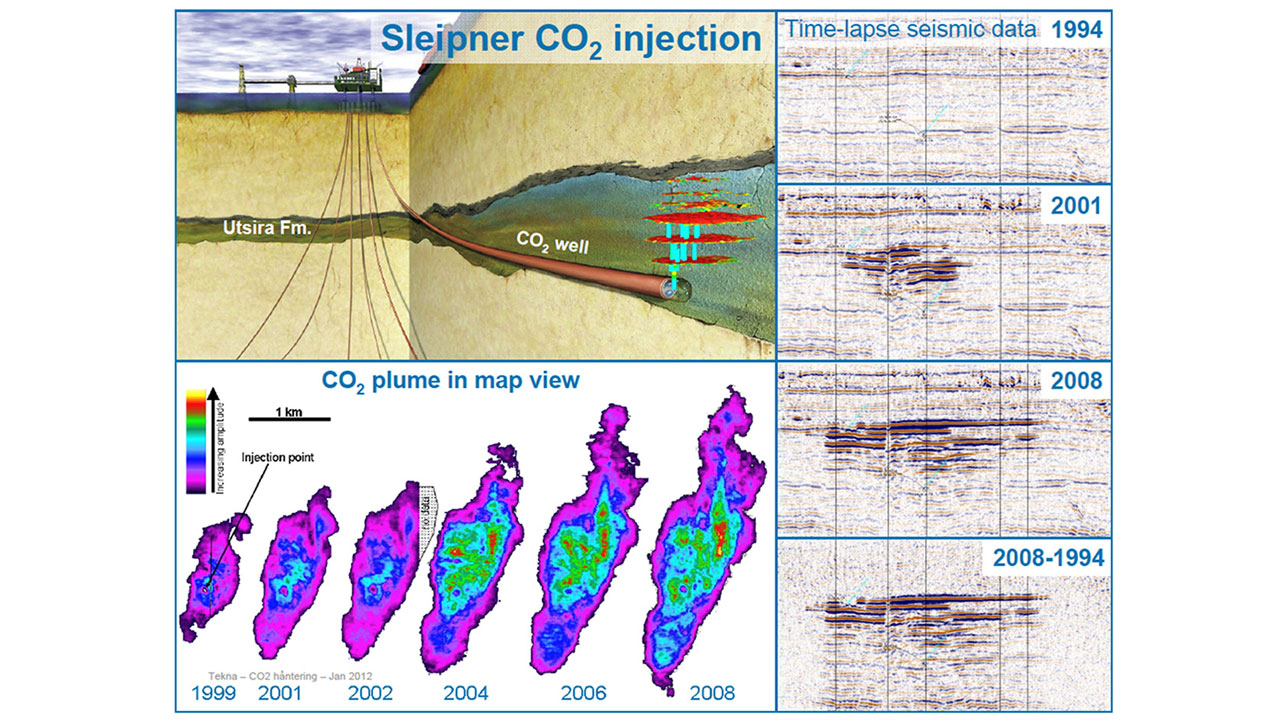
This carbon capture storage (CCS) repeat seismic survey’s objective is to regularly monitor the distribution of Carbon Dioxide (CO2), which had been injected into the 800–1100 m deep Utsira Formation sandstone since 1996.
At the time of writing, about 18 million tons of CO2 has been injected into the formation, and through time-lapse seismic studies the migration of the CO2 is being studied.
Why monitor carbon dioxide levels?
Previous repeat surveys (in total 9 monitor surveys since 1999) showed a large response from the injected CO2. Therefore, it has been possible to map the distribution of undissolved CO2 in detail.
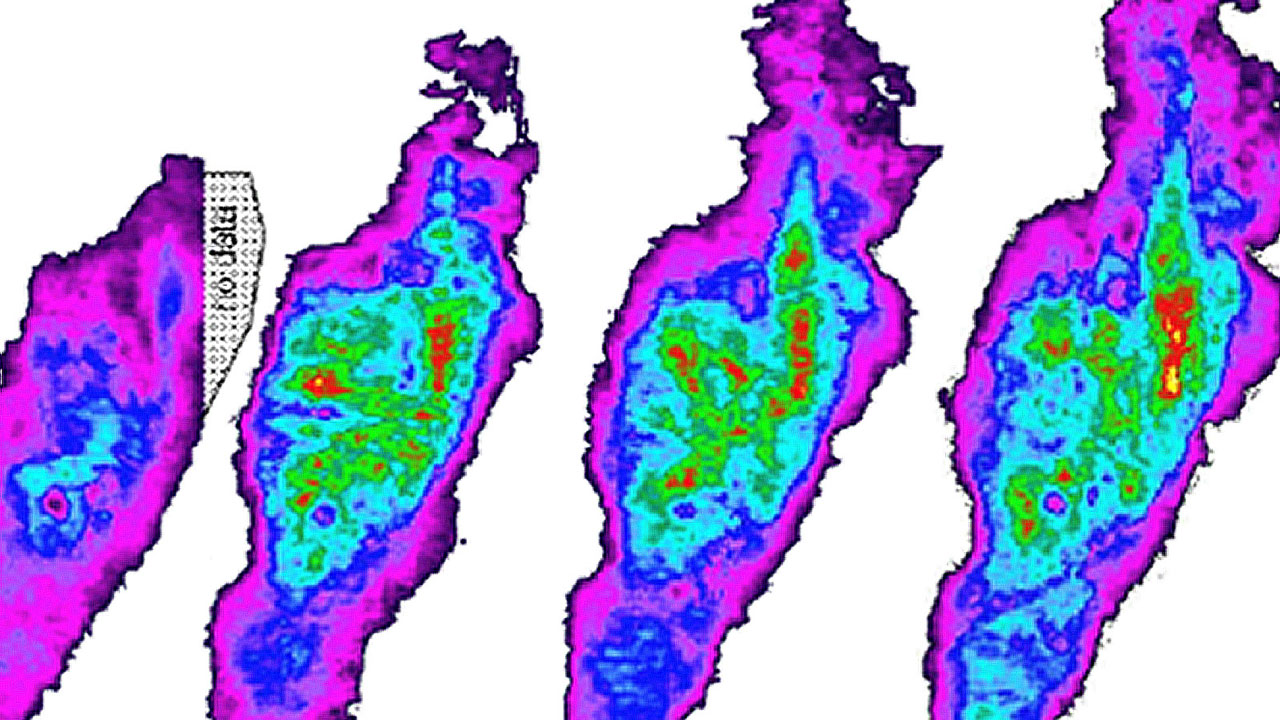
The purpose of the current survey is to monitor the expansion of the plume, and to confirm that the CO2 has stayed within the formation and not penetrated the overburden.
Reliable seismic data acquisition
The Tetra Tech solution involves making optimal line planning decisions to ensure that the survey data is acquired efficiently, minimising the number of lines required for completion.
Achieving the 4D repeatability specifications ensures that the data acquired is of sufficient quality to meet the geophysical objectives to image the CO2 plume.
The acquisition of the 2020 Sleipner CO2 4D survey yielded good coverage and repeatability results, ensuring the survey met its geophysical objectives. SIMOPS played a part during the survey, which was coordinated and managed by Tetra Tech with no lost time or rejected data.
The survey only required six of the possible 10 E/W lines and was completed in five days, ahead of schedule and under budget.
Sleipner is the world’s first offshore CCS plant. In operation since 1996, it stores approximately 1 million tonnes of CO2 per year.
At a glance
Client
Equinor
Completion date
2020
Location
Norwegian North Sea, Block 15/9, 160 miles west of Stavanger
Services
Offshore in-field feather predictions, optimise line selection, SIMOPS, and perform repeatability analysis to determine the quality of the survey
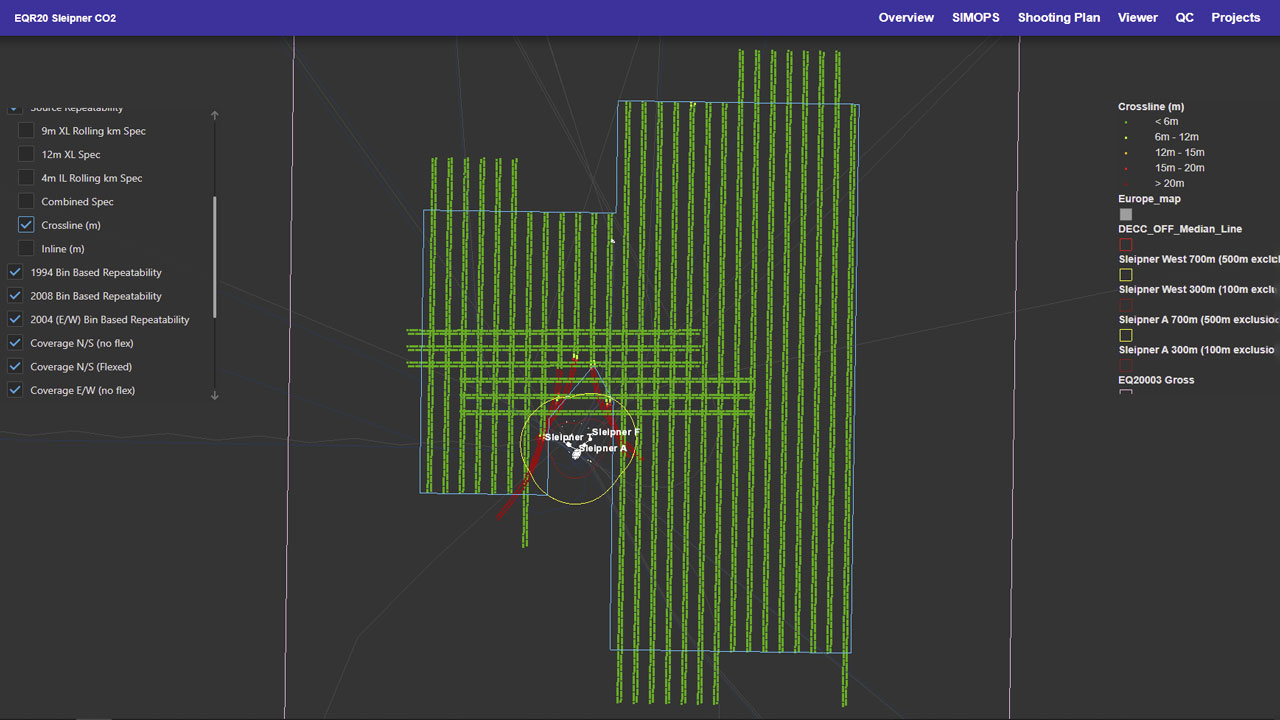
Map of 2D/4D seismic lines with of positioning repeatability: green is good = low errors
Image courtesy of Equinor
Image courtesy of Equinor
Connect with us. Reach out to our offshore energy experts.
The project featured in this article was undertaken by RPS, A Tetra Tech Company and originally published on RPSgroup.com. In March 2026 RPS rebranded to Tetra Tech.