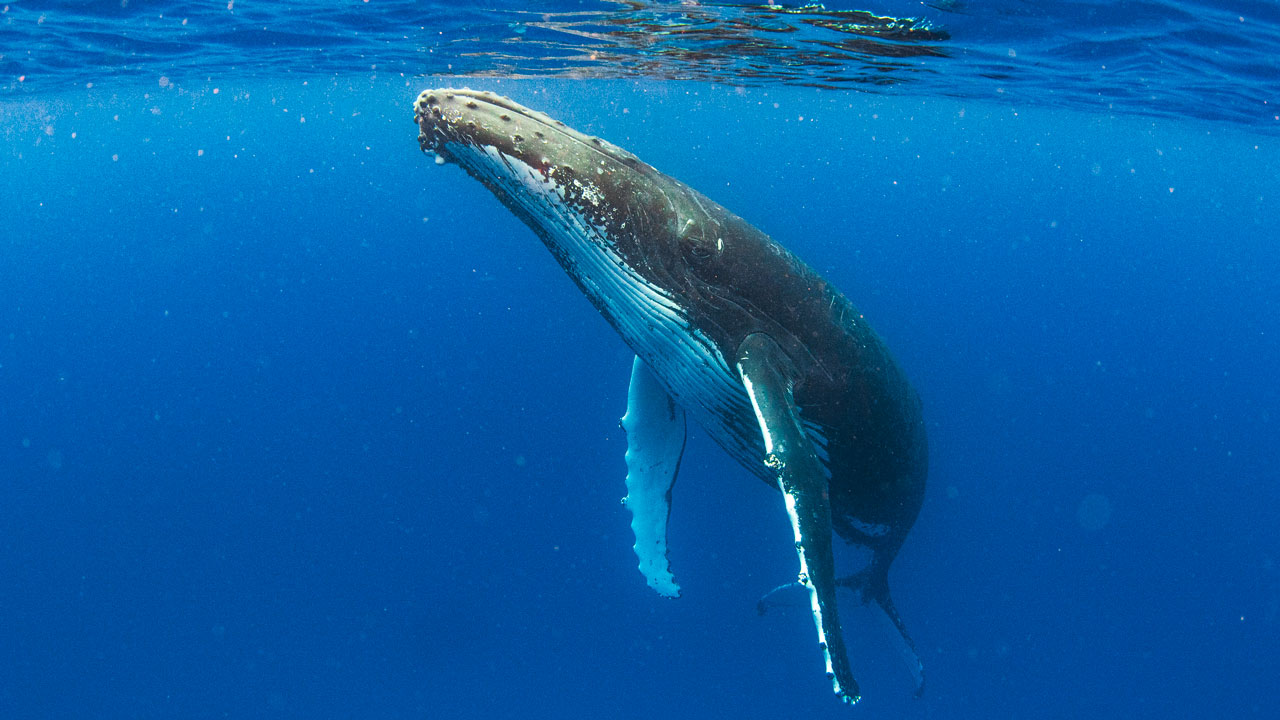
Tetra Tech’s Tessa McGarry, associate director and marine ecologist, shares her observations on the impact floating offshore wind might have on marine mammals.
The differences between floating and fixed offshore wind will mean different considerations regarding the impact on marine mammals, and how we assess these. To be successful, the industry needs a robust understanding of how marine mammals interact with floating wind turbines and the application of the expertise we have already gathered.With only limited data on floating offshore wind available, there are, of course, some unknowns in terms of potential impacts and regulation—and how these will evolve in the future.
Types of entanglement risk
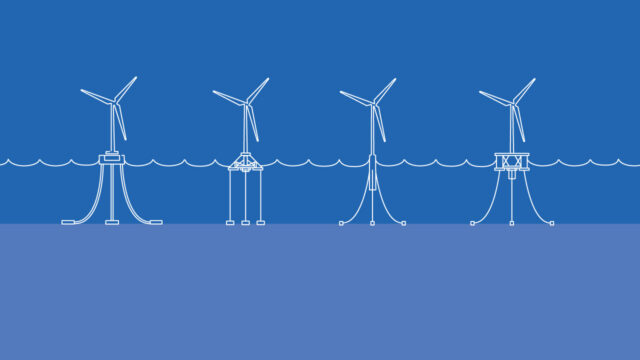
One key difference between fixed and floating offshore wind farms is the absence of a fixed foundation structure e.g. monopiles, replaced instead with a floating subsea structure that is anchored to the seabed via mooring lines and suspended cables. As floating offshore wind develops globally, the industry is looking to understand if such structures are likely to adversely affect marine mammals.
Entanglement risk is divided into two types:
- Primary entanglement would be the result of animals directly entangling with the various below surface elements of the wind turbine e.g. cables or mooring lines. Given the size, tension, and spacing of these structures and the ability of many marine mammals to locate by sonar, this type of risk may be relatively small.
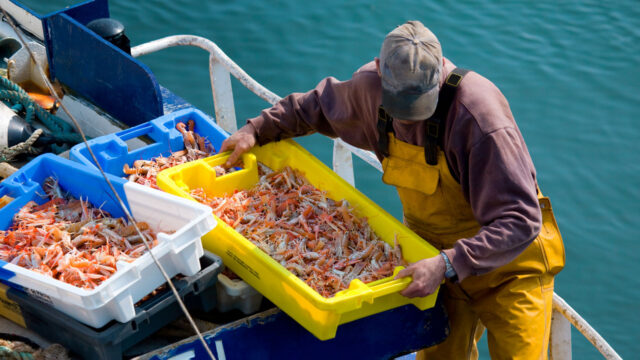
- Secondary entanglement refers to items such as “ghost” fishing gear or other lost, abandoned or otherwise discarded fishing equipment, already extant in the marine environment, becoming tangled around the moorings and cables. Animals, including marine mammals, fish, and sea turtles, may suffer injury or mortality; even if the animal were able to break free there may be physical damage (e.g. tissue damage from abrasion or impairment of their respiratory systems).
Other risks
Understanding the potential risks and effects of entanglement on marine mammals is uncertain due to lack of data. What does this mean for developers, regulators, and stakeholders? In reality, because floating offshore wind is a relatively new discipline, consultants will focus on risk-based assessments until more empirical data is available to inform the industry. The potential for entanglement is a key area for future research.
One mitigation option is adaptive monitoring to inspect and remove nets and similar detritus from the wind farm area – with intensity of monitoring tailored to the risk at an individual floating offshore wind farm, and over time. Technological advancements in remote monitoring, like Tetra Tech’s Neptune AI tool, are helping to facilitate such programmes.
Read more about other types of potential risk to marine mammals.
Connect with us. Reach out to our offshore energy experts.
About the author

Tessa McGarry
Tessa McGarry is an associate director, specialising in marine ecology and habitats regulations assessment.
She is based in Scotland and works on international projects as part of our offshore energy team.