
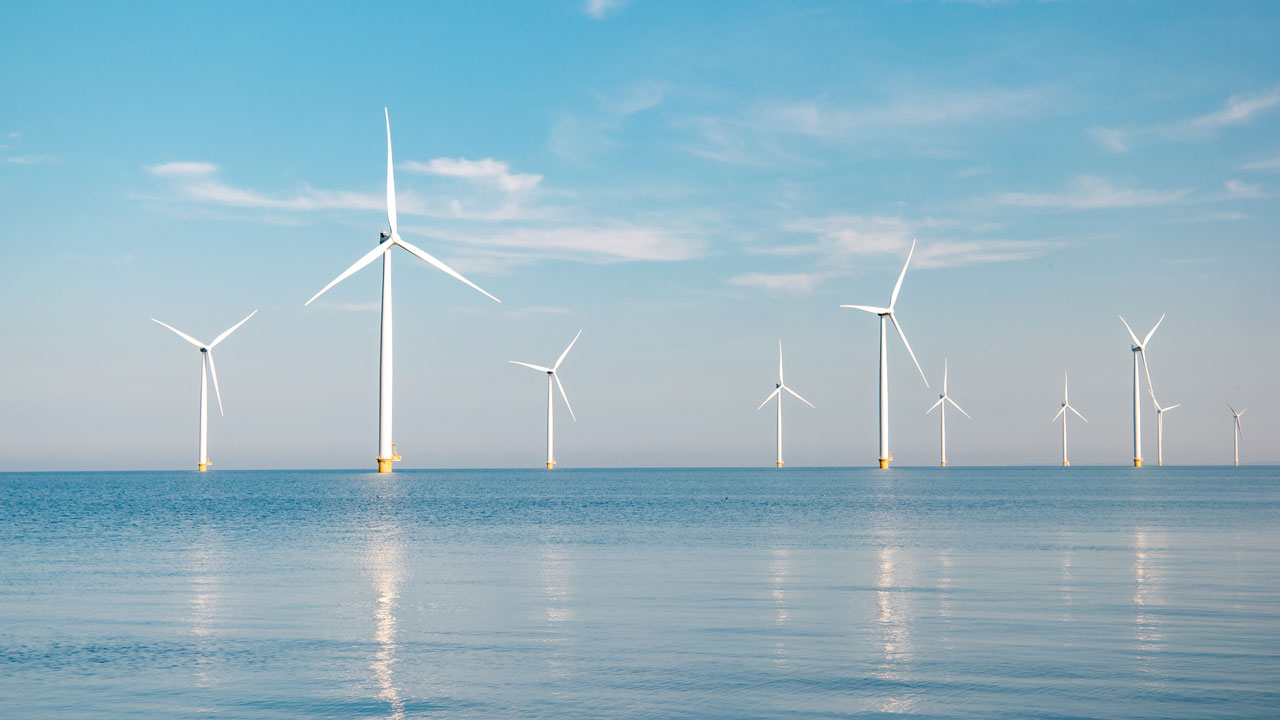
Tetra Tech’s Emily King, senior associate director, explores offshore wind project development challenges and the UK regulations for cumulative effects assessments.
About cumulative effects assessments
The UK’s regulations for environmental impact assessments (EIAs) for offshore wind require that development is “considered with particular regard to .. the cumulation (i.e. combination) with other existing development and/or approved development.” Developers must assess the likely significant effects on the environment in their EIAs.
The need to consider cumulative effects in planning and decision making is also set out in the National Policy Statements (NPSs) for energy infrastructure. When weighing possible effects of development against its benefits, the Secretary of State is required to consider environmental, long-term and cumulative adverse impacts, “as well as any measures to avoid, reduce, mitigate, or compensate for (these).”
Relevancy of cumulative effects in the Celtic Sea
Projects in the Celtic Sea are being developed within a period of rapid growth in the offshore wind sector. The three Celtic Sea Project Development Areas projects will be leased at the same time and so are likely to be developed concurrently. Further development of offshore wind projects in nearby waters includes Offshore Wind Leasing Round 4, ScotWind, and the Maritime Area Consent regime in Ireland.
Celtic Sea development, like other recent leasing rounds, is set against a complex backdrop of other sea users who may be affected by the proposals including commercial fisheries, oil and gas development, cables, pipelines, shipping, aggregates, and disposal. The approach taken to cumulative effects assessment has therefore become increasingly important in recent leasing rounds.
Project impacts
Cumulative effects—and the way in which they are assessed—can lead to project risks. The worst-case scenario is that a project doesn’t win consent. Even if it does, the time it takes to work through issues alongside other projects and developers— instead of as a single project—can add to the consenting pre-application timeline, or delay consent determination. Onerous consent conditions required in order to mitigate effects may have programme and/or cost implications.
It’s important to conduct robust, proportionate assessments with a strong awareness of areas where cumulative effects are likely. There’s a need for all projects and developers to be engaged, willing to work together and proactive in resolving issues.
Taken in isolation, each of these areas needs careful consideration:
- Challenges related to floating offshore wind
- Ports
- Onshore cumulative effects
- Marine mammals
- Offshore ornithology
- Other marine users
Tetra Tech is supporting offshore wind developers in the Celtic Sea. Explore challenges and solutions with insights from our consultants.
How Tetra Tech can help
The offshore wind industry has continued to evolve to understand and address development effects. Now, it has reached the point where the combination of effects from different projects presents the “next big challenge” for the industry, which will continue as it grows.
Offshore wind developers need to be highly aware of the touchpoints where cumulative effects are most likely to be an issue. These need robust yet proportionate assessment, matched by appropriate mitigations.
Finally, there are a number of challenges where collaboration between different developers, projects and industries offers a way to mitigate against cumulative effects. Working together could become a repeated theme in finding the best solutions. Tetra Tech is well versed in cumulative effects assessments with a deep bench of expertise in our offshore energy team.
Read more from Emily about cumulative effects assessment
Connect with us. Reach out to our offshore energy experts.
About the author

Emily King
Emily King is a senior associate director in Tetra Tech’s UK’s marine consenting and environment team.
Emily’s work focuses on project management for offshore environmental impact assessments. She has a wealth of experience supporting clients in gain and comply with all necessary marine and environmental permits/consents. She has specialist experience in the environmental impact assessment (EIA) process.
Emily has project directed and managed the EIA and habitats regulation assessment HRA for several offshore wind farms, including Mona, Morgan, Berwick Bank, Hornsea One, Hornsea Two, Hornsea Three, and Atlantic Array. She coordinates and manages consulting projects from initial site selection to DCO application and during the examination phase.