
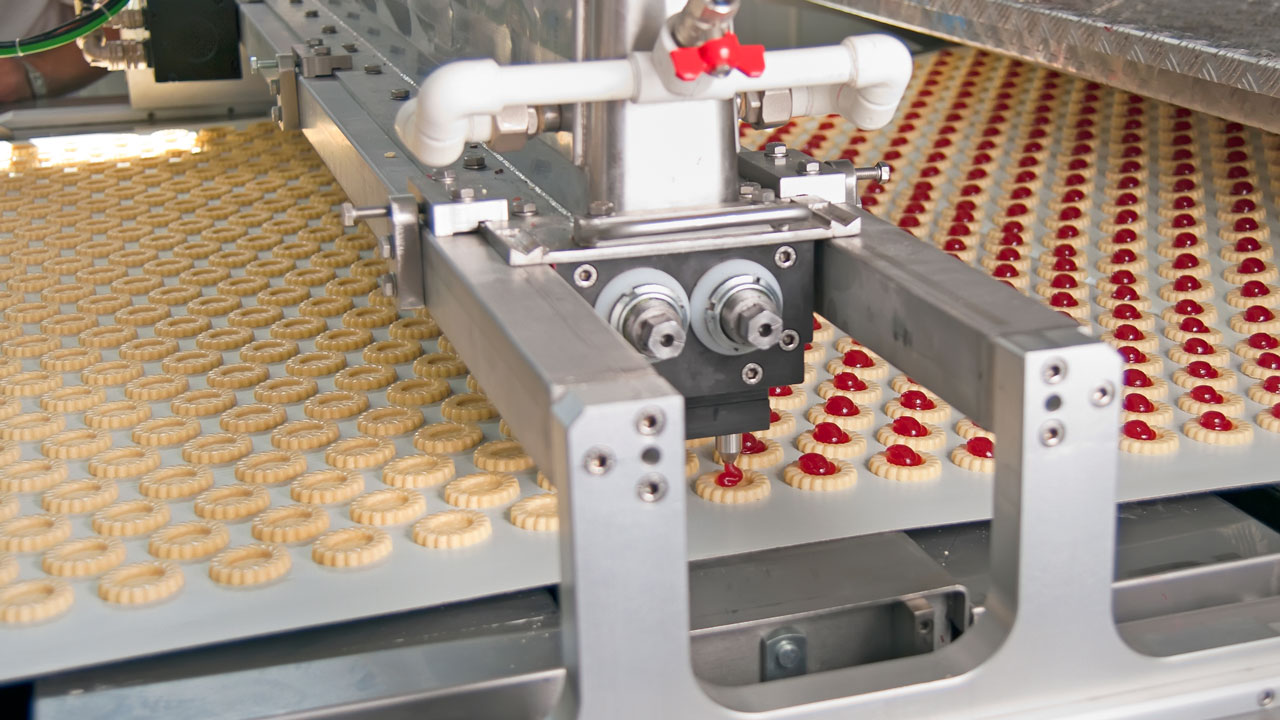
Tetra Tech Digital Systems delivered a digital twin simulation model for an Australian food manufacturer, enabling a 24 percent reduction in labor costs and a five percent throughput increase.
An Australian-owned and operated food manufacturing company needed to evaluate operational improvements with confidence before committing capital expenditure. They considered investments, such as an added extrusion and packing line, but needed to understand the likely impact on throughput, labor cost, utilization, demand, shift structures, and scheduling before making physical changes. At the same time, manual planning inputs and incomplete manufacturing data, including routing information, made it difficult for planners to optimize resources and confirm whether production schedules were feasible. The client needed a connected view of their production, financial, planning, and operational information to reduce risk and prioritize the right continuous improvement initiatives.
We provided a method to reduce simulated labor costs by 24 percent—from $0.74 to $0.56 per kilogram—while increasing throughput by 5 percent using the same resources. Our team developed a digital twin that replicated the client’s factory operations and enabled leaders to test operational scenarios before implementation.
We first conducted a site visit to document planning activities, manufacturing rules, current business processes, digital capabilities, and available production data. Our engineers interviewed staff to identify missing information and make informed assumptions for the model. Using Simio digital twin software, the team built and validated a digital model with the operations leadership team to confirm that it accurately reflected manufacturing tasks. We also built a Power BI dashboard for key performance indicator visualization to turn simulation outputs into actionable insights. The digital twin also included planning and scheduling software that generates feasible weekly production plans in seconds, helping planners assess schedules, distribute line loads, reduce changeovers, and prioritize improvement initiatives.
Benefits
- Reduced simulated labor costs by 24 percent
- Increased throughput by 5 percent using existing resources
- Generated feasible production plans in seconds