
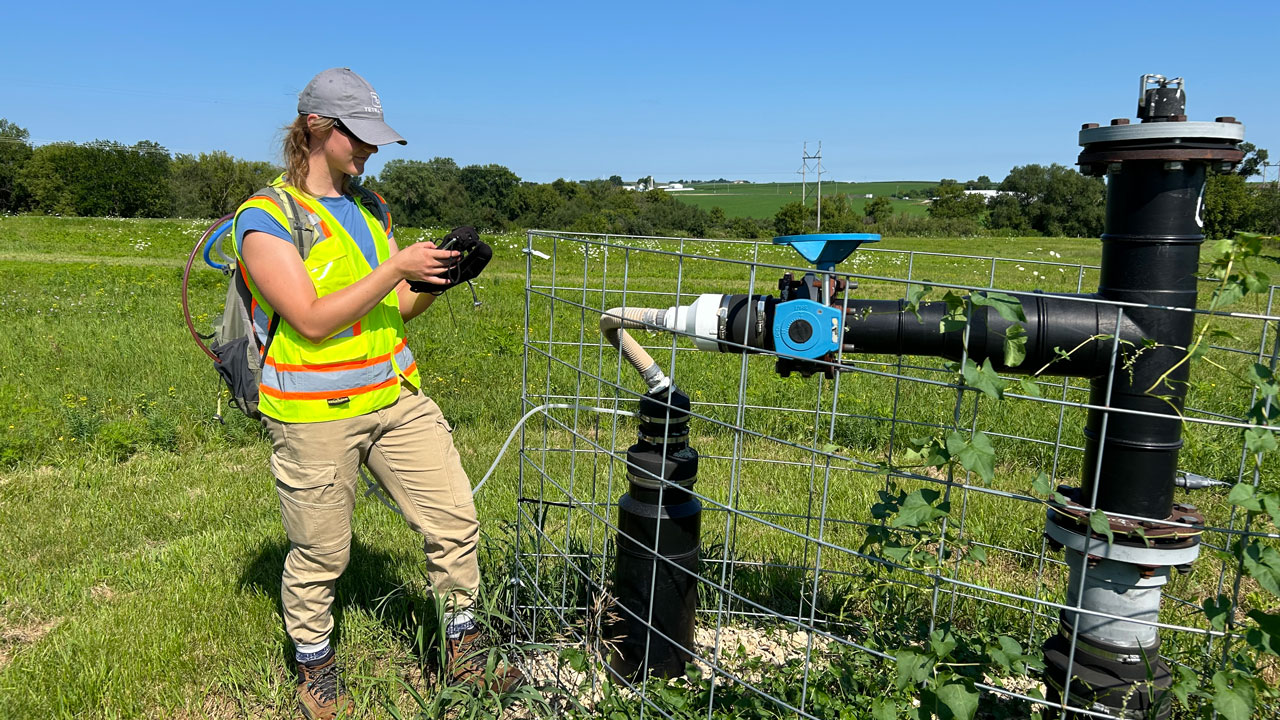
Tetra Tech helps clients unlock cost-effective, clean energy solutions by delivering flexible, small-scale renewable natural gas (RNG) systems that turn low-flow gas sources into reliable fuel.
Introduction: Unlocking the Potential of Small-Scale RNG
As demand grows for renewable energy and large-scale RNG assets become tied up in long-term agreements, smaller sites are emerging as practical, high-impact solutions. Low-flow gas streams from landfills, digesters, and wastewater systems that were once considered too small for economic recovery can be transformed into valuable clean energy assets. Tetra Tech works with clients to take advantage of these opportunities through small-scale RNG systems that reduce emissions, fuel vehicle fleets, and support long-term sustainability goals.
Meeting Demand with Distributed Solutions
Across the U.S., municipalities and private operators are under pressure to meet fleet decarbonization targets, reduce dependence on diesel, and build more resilient energy systems. Small-scale RNG offers a compelling solution for organizations looking to use existing infrastructure and take control of their fuel supply. These projects help reduce transportation emissions and stabilize costs, as well as enable local energy independence and support state and federal sustainability mandates.
Overcoming Common Barriers
Fixed costs like permitting, interconnection, and gas treatment create challenges for small-scale RNG projects. Many off-the-shelf systems are designed for higher flow rates and don’t scale down cost-effectively. Tetra Tech addresses these challenges by focusing on simpler systems and tailoring them for each site’s gas quality, compression needs, and staffing or operational capacity. This approach helps lower upfront costs and makes the system easier to operate and maintain long term. We also assist clients in identifying grants, clean fuel incentives, and public and private financing options to offset upfront expenses, enabling owners the flexibility to start small and scale up over time without major redesigns.
Designed with Flexibility in Mind
Tetra Tech works with clients to evaluate and select technology based on flow rate, gas composition, site constraints, and long-term fuel use goals. For example, membrane and pressure swing absorption (PSA) treatment systems may be paired with low-pressure compression and modular skids to reduce operations and maintenance demands. Projects may also use virtual pipelines or shared infrastructure to keep costs manageable.
Each solution is designed for the unique needs of the client. Our engineers match equipment selection, permitting, and system controls to the needs of each site and project, whether for vehicle fueling or pipeline injection.
Real Projects, Real Results
Successful small-scale RNG projects depend on selecting the right technology and aligning it with site-specific goals. In the Midwest, we supported a city in designing and permitting a modular landfill-to-fleet BioCNG station that included a skid-mounted treatment unit, compression, and on-site dispensing infrastructure. This project offsets more than 500,000 diesel gallon equivalents each year and delivers long-term fuel savings for municipal operations.
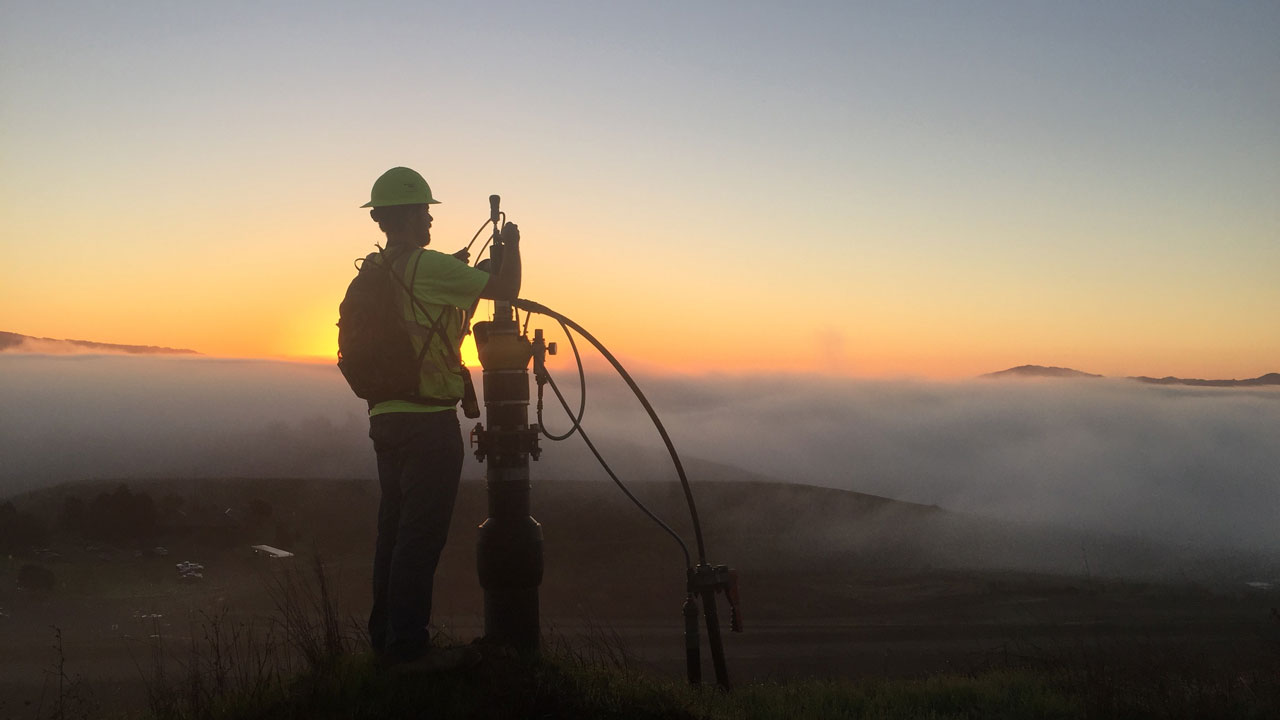
At a landfill in the Southeast, we implemented a low-flow PSA system and fueling station to serve a private waste hauler’s fleet. The design enabled on-site fuel collection, avoiding rising diesel costs and reducing carbon emissions by more than 250,000 gallons of fuel each year.
For a dairy farm in the Pacific Northwest, Tetra Tech developed a digester and RNG upgrading system paired with a virtual pipeline. This enabled the farm to monetize clean fuel credits and deliver RNG off-site without building new pipeline infrastructure.
Tetra Tech helped one city offset more than 500,000 gallons of diesel annually through a small-scale RNG station.
Supporting the Full Project Life Cycle
Smaller projects often face high fixed costs and limited off-the-shelf technology. Tetra Tech’s approach focuses on selecting proven, reliable systems and customizing them for the site’s gas flow, compression needs, and specific operations. We also advise clients on financial strategies, grant opportunities, and other funding options to support long-term project viability.
Looking Ahead
As clean energy policies expand and carbon markets mature, small-scale RNG will continue to play a critical role in fleet decarbonization and circular economy strategies. New federal and state incentives are making these projects more attractive than ever, especially for communities and businesses with underutilized gas streams.
Tetra Tech is proud to help clients lead the way, delivering practical, scalable solutions that turn local waste into low-carbon fuel.
About the author

Ben Peotter
Ben Peotter is a client manager with more than 25 years of experience in environmental and civil engineering.
He specializes in solid waste, renewable energy, and site development and his expertise includes greenfield and brownfield site development; landfill design and permitting; environmental due diligence and remediation; and renewable energy project evaluation and development. He also leads complex, multidisciplinary projects for municipal and private clients, consistently balancing regulatory compliance, technical performance, and stakeholder needs.
Ben is a registered professional engineer in Wisconsin and Minnesota and has received industry recognition, including the U.S. Environmental Protection Agency (EPA) Landfill Methane Outreach Program Project of the Year and the American Council of Engineering Companies of (ACEC) Wisconsin Best-of-State awards. He holds a Bachelor of Science in Geological Engineering and Geology and Geophysics and has completed advanced leadership and project management training, including the ACEC Leadership Institute and National Environmental Policy Act (NEPA) project management programs.