
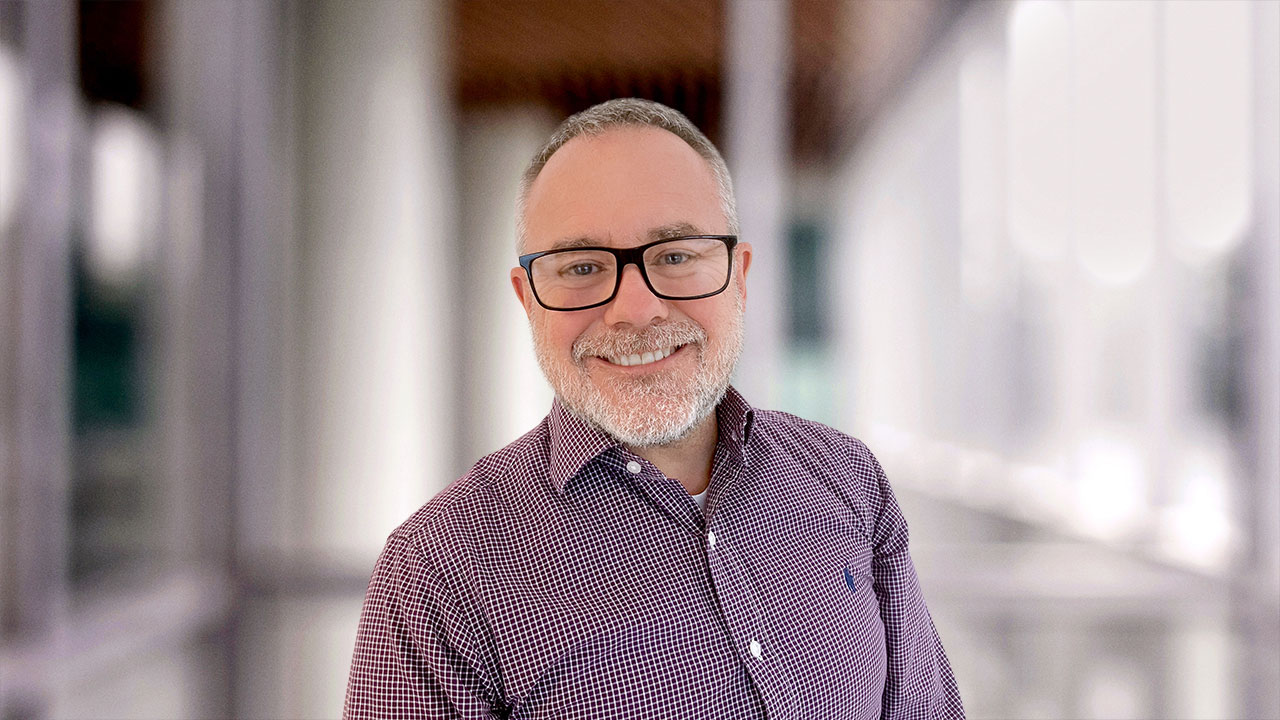
Kev Thomas, technical director, shares a day in the life developing innovative, nature-based flood risk solutions and mentoring engineers.
He plays a key role in projects like the Derby Riverside flood alleviation scheme, which protects communities by enhancing flood defenses and natural river management. Kev emphasizes collaboration, ongoing learning, and the rewarding nature of flood risk management careers amid climate change challenges.

What does your day-to-day job role involve?
As technical director, my role combines hands-on technical support with mentoring, particularly for our graduates and early career engineers, as part of a dynamic team of forty engineers.
While we use Microsoft Teams to stay connected remotely, I find the best way to support the team is being physically present—reviewing drawings, calculations, and tackling design issues face-to-face.
I spend time problem-solving, ensuring our solutions fit within the constraints of the site giving consideration to the topography, geology, and geography of the project areas.
I’m also involved in recruitment, team development, and making sure everyone feels supported within our hybrid working environment.
What kind of work are you doing for Derby Riverside?
Derby Riverside is an ambitious flood alleviation scheme. The project will build 1.2 km of new flood barriers in the city centre. This will protect over 1,000 homes and businesses from flooding now, and in the future as climate change makes floods more likely.
We’ve just completed the detailed design for phase two, which is about to enter construction.
I am really excited about this phase, as we’re helping to reconnect the River Derwent with its communities and people and providing wider natural flood management. We are also looking at opportunities for biodiversity net gain as well as making the river area wider so it can hold more water during heavy storms. By giving the river more space, water can flow more easily when it rains a lot, which helps stop flooding. With climate change causing dry times and sudden heavy rains, this work is very important to keep people and homes safe.
Read more about the Derby Riverside Project.
How does collaborating with other experts in our industry contribute to the success of projects like Derby Riverside?
On the Derby project, we work closely with a number of other organisations including our peers at Arcadis. Tetra Tech leads the detailed design and modelling for Derby Riverside, while Arcadis handles the construction phase.
Our teamwork is strong, thanks to regular design review meetings that keep communication clear and ensure everyone on the same page. This is what helps us deliver a carefully thought out and efficient solution for the city.
The success of schemes like this is increasingly becoming more about collaboration and what we, as in industry experts can bring to clients together, rather than simply what we achieve as a single organisation. It is really satisfying to be a part of that.
What do you wish you would have known about a career in engineering before starting?
I think the biggest thing is understanding that a degree is just the beginning of a long journey. There’s a significant part of your career spent learning and developing skills.
Early on, it’s really helpful to listen to a wide range of advice and perspectives from different people to help shape your path. I wish I had known to take in as much knowledge as possible from those around me when I first started out.
Would you recommend a career in flood risk management?
Absolutely. It’s a fascinating and rewarding field, especially as climate change increasingly impacts how we manage water and flood risks.
I’ve loved my career in this area and have made a life’s work out of it. The opportunity to work on projects that protect communities and improve environments makes it worthwhile.
Plus, there’s always something new to learn, and it’s great to mentor the next generation of engineers coming through.