Tetra Tech is providing the U.S. Fish and Wildlife Service with multidisciplinary architect-engineer services for the full design of the Wulfert Bayous bird island creation and restoration project.
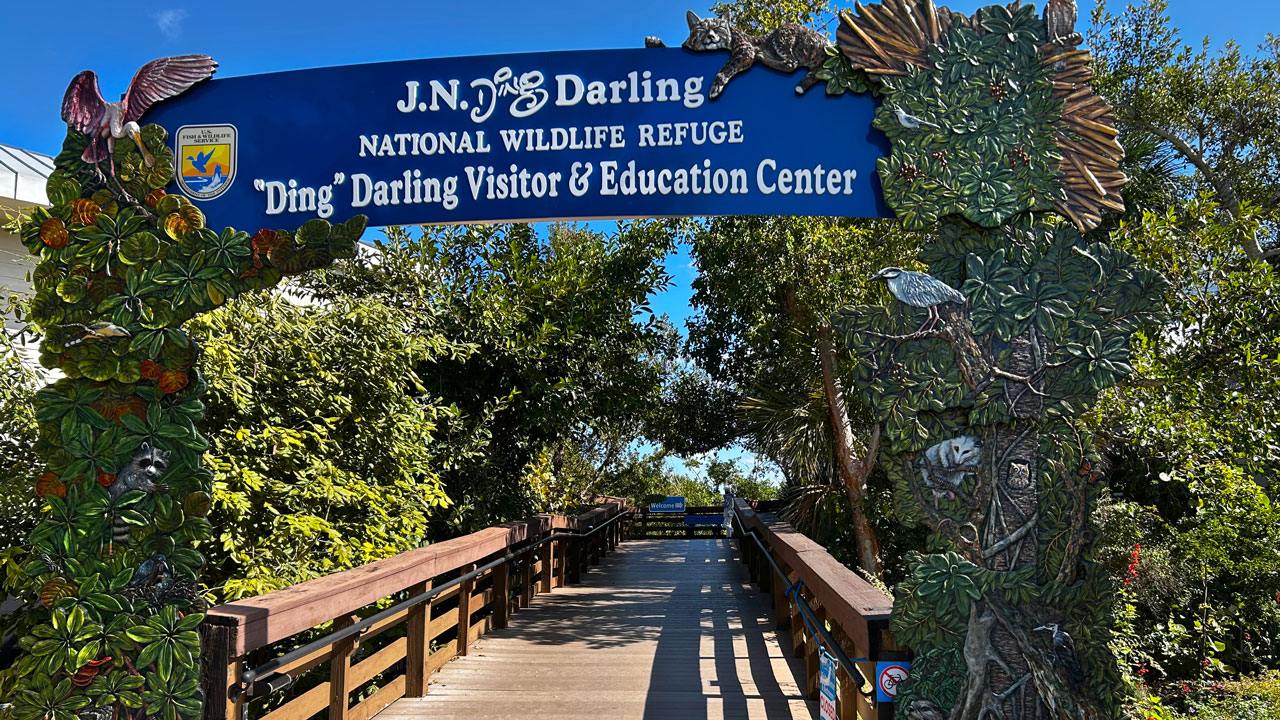
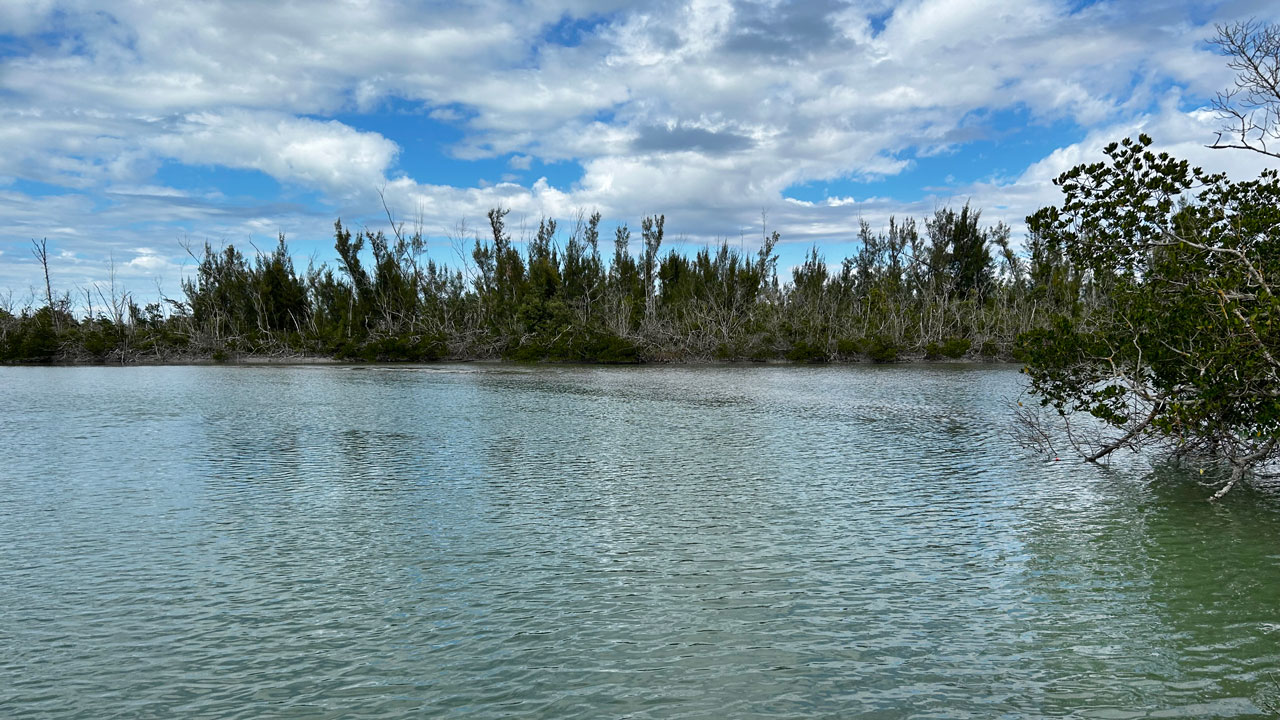
Wulfert Bayous is a 68-acre parcel on Sanibel Island in Florida that is home to wading birds and other wildlife habitat that were affected by the Deepwater Horizon oil spill in 2010. The wetland and high ground habitat connect the J.N. “Ding” Darling National Wildlife Refuge to other preserved areas. The site’s proximity to protected refuge lands and sensitive wetland habitats requires meticulous design coordination and robust baseline data collection. Restoring historic estuarine wetlands also involves careful excavation of previously placed fill material without destabilizing adjacent native mangroves.
Tetra Tech, as part of the MSMM Huitt-Zollars joint venture team, served as technical lead and engineer of record. Our team provided detailed estimates, including identifying long-lead materials and phasing strategies to align with refuge access and ecological windows. We’re addressing environmental sensitivity and regulatory complexity by using minimally invasive survey techniques and designing construction phasing to avoid peak nesting seasons. We also are developing a strategic fill removal and recontouring plan to maximize bird nesting island creation while minimizing impact on existing hydrology to adjacent residential areas. Similarly, we are integrating shallow water moats and large native reptile basking beaches that naturally discourages mammalian predators and increases nesting success for colonial birds.
The design accommodates mangroves, marsh, island, and upland habitats in close proximity without conflict. Our interdisciplinary coordination ensures that grading transitions, salinity tolerances, and vegetative communities are properly delineated, supporting long-term habitat function and succession. The final design package will position the U.S. Fish and Wildlife Service to secure continued funding as needed and competitively bid the restoration project.
Benefits
Expanding nesting habitat for more than 13 wading bird species
Creating a ~2-acre bird nesting island with vegetation structure, predator protection, and emergent edges
Obtaining all required local, state, and U.S. federal permits
Providing ecological connectivity between J.N. “Ding” Darling National Wildlife Refuge and other conserved lands
Delivering long-term water quality, native vegetation cover, and habitat resilience improvements
The team has done a remarkable job being creative and innovative in this design process while meeting the goals and objectives of the project.