
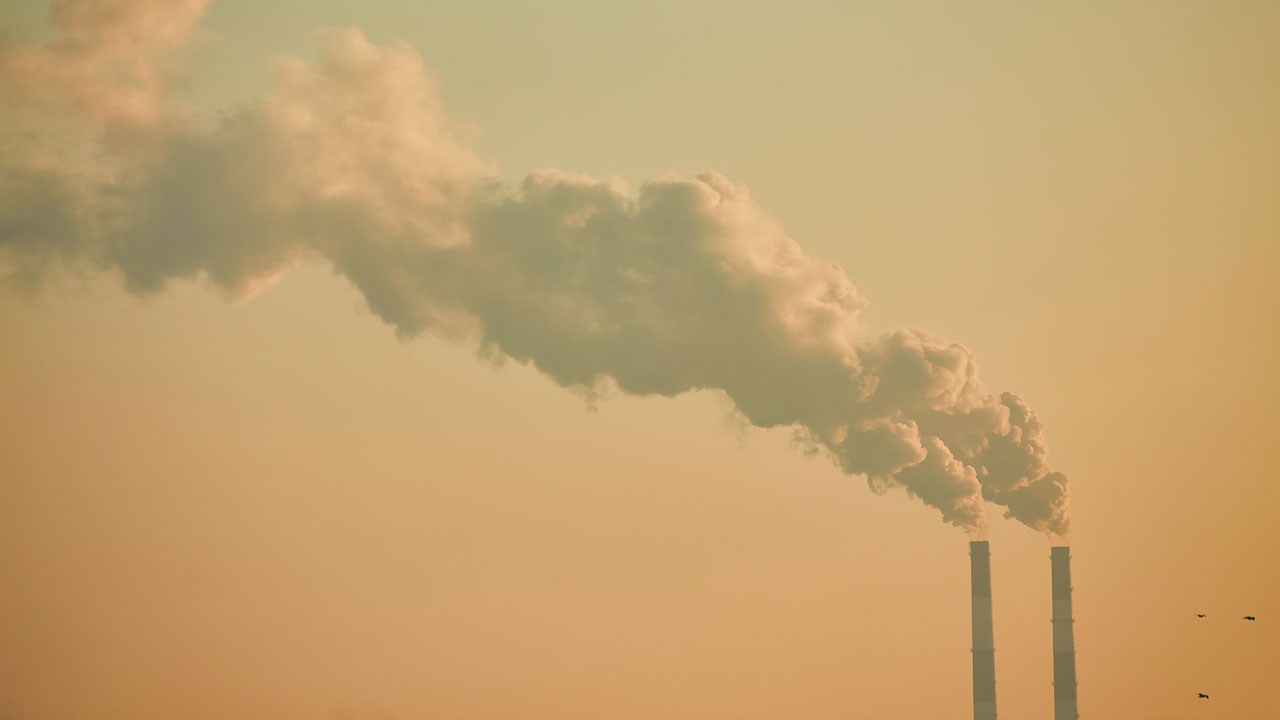
This article in our Hazard Watch series outlines the health risks of ground level ozone, control measures employers should take to ensure exposures remain within limits, and how Tetra Tech’s analysis services can help organisations measure ozone levels and protect their workforce.
Ozone is a unique gas. It’s formed of oxygen, but where typically there are two atoms within each molecule, it has three instead. The gas is blue in colour and has a strong, pungent odour.
Ozone has many important uses and is actively used in over 100 industries for various applications. Most of these involve water treatment plants, aquariums, and waterparks. It is also used in paper and pulp mills as well as within the manufacturing industry when creating beauty products such as deodorants.
Exposure to ozone can cause headaches, coughing, dry cough, and shortness of breath. Higher levels of exposure can lead to even more severe symptoms such as asthma. Therefore, employers must ensure that anyone working within proximity of this hazardous substance are always protected.
How to minimise or prevent ozone exposure
Controlling exposure to occupational hazards is the fundamental method of ensuring employees are protected in the workplace. Engineering controls are designed to remove hazardous substances by placing a barrier between the worker and the hazard. Systems such as, local exhaust ventilation systems (LEVs) can be designed to capture and remove airborne emissions at the source before they can be released into the atmosphere.
As stated by the Health and Safety Executive (HSE), the current workplace limit for exposure to ozone is 0.2ppm in air, averaged over a 15-minute period. Air monitoring is also essential to determine that LEVs are working appropriately and that levels of ozone within the workplace are within these required limits. Background level and on-person sampling can also help to determine the levels to which employees are being exposed in the workplace.
Using appropriate personal protective equipment (PPE), such as respiratory protection or air filtration masks should also be encouraged. Implementing these measures can provide firm assurances to both employers and their employees that the most comprehensive protection mechanisms are in place.
If control of substances hazardous to health (COSHH) is not properly managed, then employees are at risk of exposure and the dangerous side effects. Improper assessments can lead to a loss in productivity due to illness as well as leave you liable to enforcement action including prosecution under the COSHH regulations.
Our expertise
Within our state-of-the-art laboratory in Manchester, we can provide treated filter sample media for the analysis of ozone substances. Using our own in-house methods of analysis and reporting can allow employers to ensure that their workers levels of exposure are not exceeding the workplace exposure limits set out by the HSE. With levels being consistently monitored, the rates of illness caused by potential exposure can and will be drastically reduced.