

Tetra Tech’s John Clayton, senior director in building engineering, shares why designing multi-storey warehouses requires careful planning of structural, logistical, and operational factors to maximise space efficiency and meet the growing demands of modern supply chains.
Since the pandemic changed the face of retail, surging our demand for online shopping, the logistics industry has struggled to keep up to deliver more efficient space. Occupiers are facing ongoing capacity pressures, tighter regulations, and expectations around sustainability.
To overcome these increasing pressures and support the delivery of Last Mile logistics, the UK must take initiative from its Asian counterparts as multi-storey warehousing comes to the fore. Could these high-rise developments be the answer?
Developing multi-storey warehouses requires careful consideration as the complexities rise with each level, with many design challenges to overcome. Here, our technical specialists explore some key considerations to ensure their successful delivery.
Benefits of multi-storey warehouses
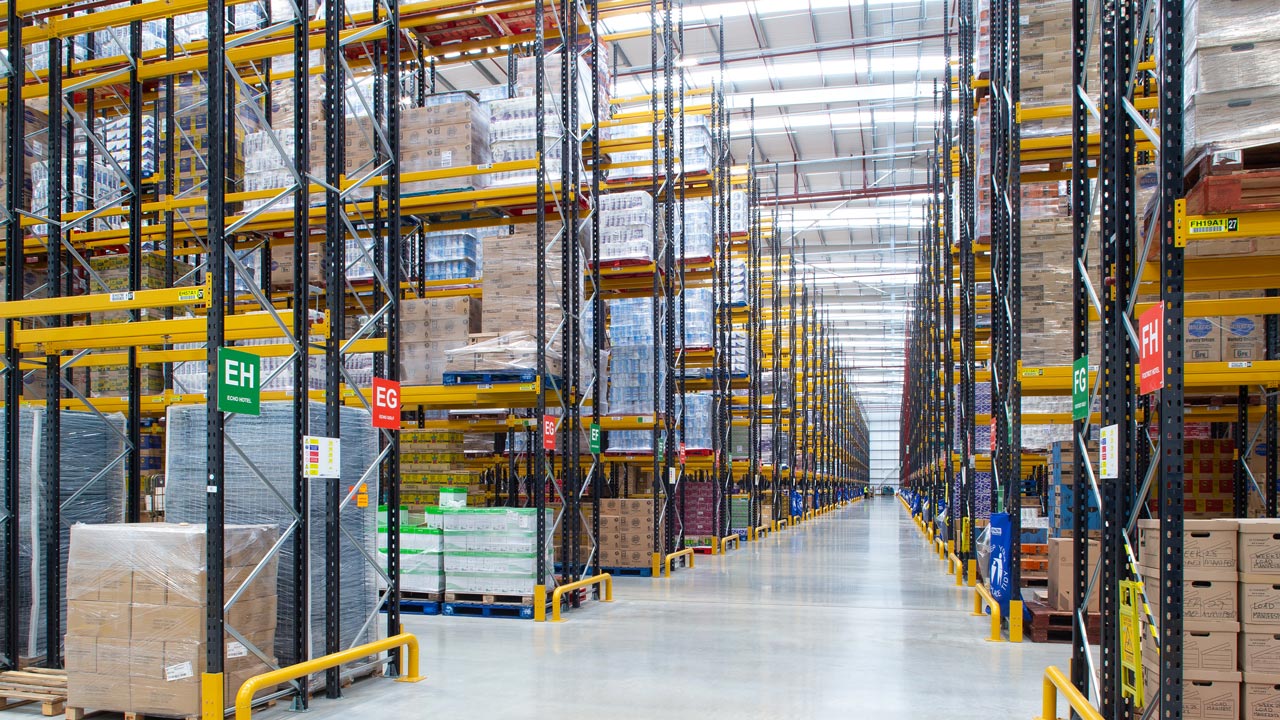
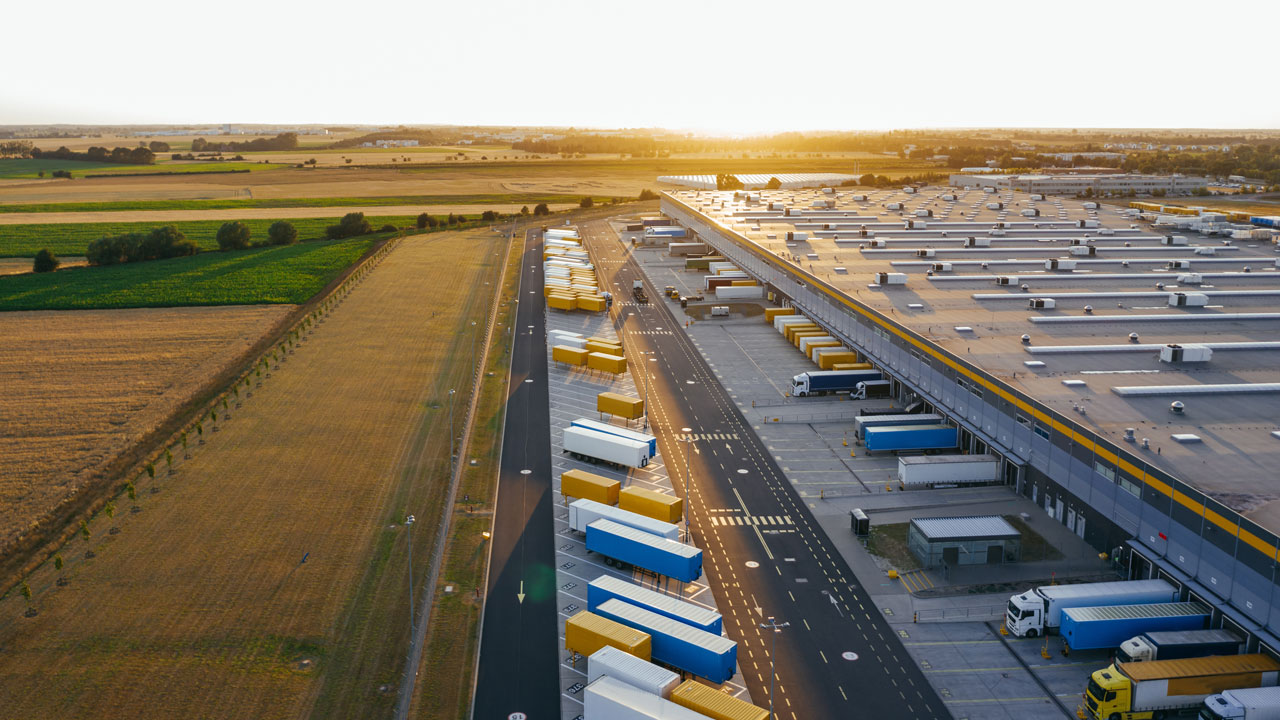
Multi-storey warehouses are facilities built vertically with various floors that offer independent and/or interconnected areas for the storage and distribution of goods. They optimise space in strategic locations, leveraging the limited availability of suitable land in the logistics landscape.
Pros of multi-storey warehouses
- Vertical space utilisation promotes the efficient use of limited land resources, a critical factor in urban planning. Multiple floors deliver greater storage capacity whilst occupying less land space.
- Goods are organised and stored effectively on different floors to support logistics operations. When combined with advanced technology to enhance accessibility between floors, this enables efficient inventory management and movement of goods.
- Less land is required, which delivers significant cost savings and long-term cost efficiencies. Operational costs for storage, handling, and maintenance can also be reduced.
- Transportation costs are lower as the warehouses are located near prime market centres to meet customer demands and strict delivery times. They improve the distribution network and are ideal for last-mile delivery, supporting fast turnover.
- Reducing the number of single-level facilities and minimising land consumption contributes to a smaller environmental footprint.
- The urban setting provides proximity to a larger workforce that can access the facility by public transport and has the potential to be part of mixed-use developments.
Addressing architectural and engineering challenges
Building multi-storey warehouses requires meticulous planning, design, and construction processes. Due to the complexity and urban location of such projects, planning, design, and construction programmes are challenging and require in-depth coordination across the project timeline.
Understanding how each floor of the building is to be used, addressing the challenges of multi occupancy and how floor levels are to be accessed either by ramps and/or goods lifts are key design decisions.
Early collaboration with the project team, including planners, architects, engineers, and contractors, can provide invaluable support to streamline the planning approval, design, and construction process. This can also minimise delays and ensure efficient utilisation of resources, which is critical to delivering a measured approach.
Elevational treatment
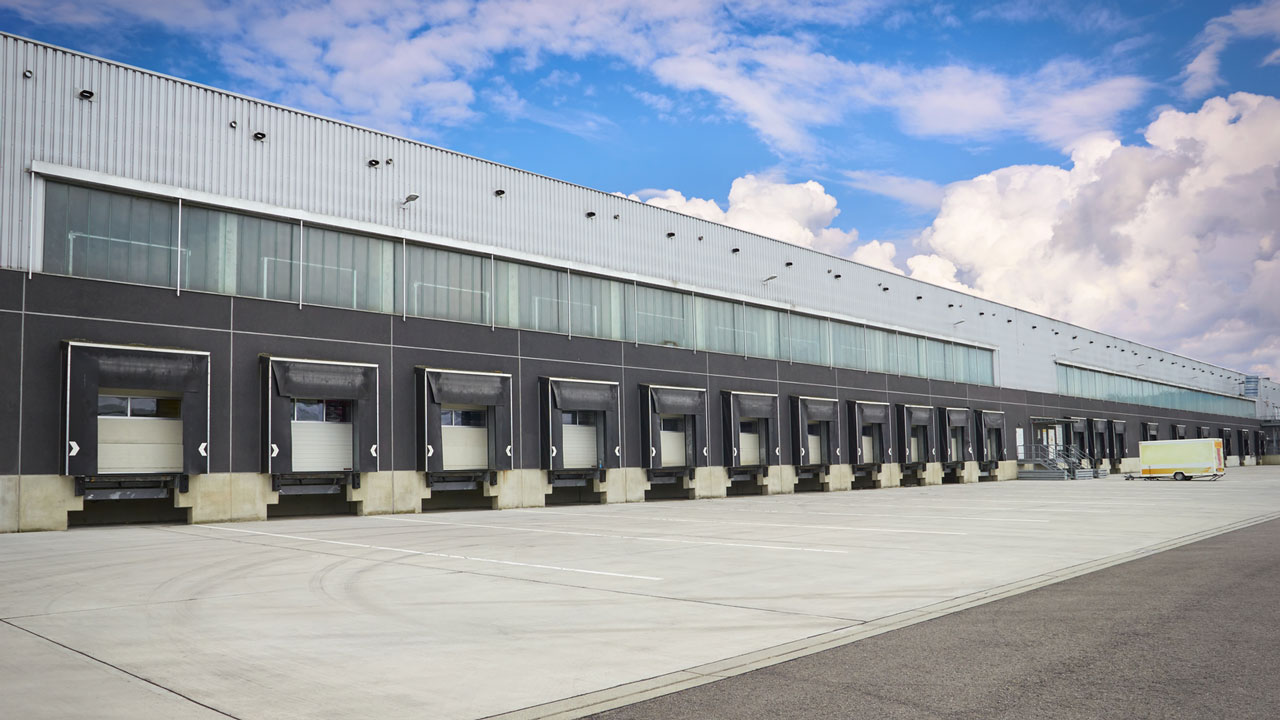
Urban warehouses must respond to their immediate surroundings in ways outoftown buildings do not, with landscape features and thoughtful façade and elevation treatment vital to integrate multistorey logistics facilities into the street and to mediate scale with nearby buildings and pedestrians. Acoustics and ventilation are key design drivers in mixeduse settings: façades must control operational noise and limit streetingress to office spaces, often reducing opportunities for openable windows. Large, uninterrupted façades provide valuable opportunities for urban greening and habitat provision on compact sites, but such features demand careful selection for fire safety, maintenance and robustness—especially at street level where security is critical. The proximity of neighbours and the stacked nature of multilevel occupancies also mean façades will usually require firerating, more stringent cladding performance and appropriate cavity barriers and separations between levels.
Building structure
Multistorey logistics buildings need robust structural arrangements to resist substantial horizontal and vertical loads from palletised storage, racking and moving vehicles such as pallet trucks and forklifts. The choice of column grid balances the desirability of large columnfree areas against increased structure depths required for long clear spans, while upper floors must often provide stiff, regular supports for materialhandling equipment (MHE) and robotics to limit inservice deflections. Early evaluation of steel, concrete and hybrid frames and floors is essential, taking account of fire resistance, robustness, and accidental loading. Procurement, buildability, delivery times, and whole life cost and carbon—assessed over a typical 60-year reference period—should also inform decisions.
Access to multiple levels
Vehicles ideally need direct access to loading docks or vertical transport to ensure seamless movement of goods within a logistics facility. Ramped vehicular access, whether straight or spiral, can serve all floor levels and combined with multiple docks per floor, enables high throughput. But ramp design must suit the vehicle types (courier vans, HGVs, LGVs), typical gradients (around 1:15), and often increases floortofloor heights. Ramps are expensive and landintensive because they require manoeuvring space, so careful space planning is essential. Goods lifts provide an alternative for upper floors but, in multioccupancy buildings, shared lifts, maintenance needs, reduced operational efficiency and potential security risks often make upperlevel space less desirable than groundfloor areas.
Fire safety
Built on constricted urban sites, multilevel, multitenanted storage facilities present heightened fire safety risks including extended travel distances, larger compartment volumes, implications for external wall construction near boundaries, increased firefighting hazards, multiple stacked tenancies, complex automated handling systems, and high fire loads. Continuous engagement from concept through detailed design is essential to identify and mitigate these risks, ensuring coordinated critique of layouts, means of escape, and material choices as the design develops. A robust fire strategy must set the design parameters, address statutory obligations and provide clear, identifiable escape routes while controlling travel distances and the fire performance of introduced elements such as green walls and roofs. Appropriate structural fire resistance together with active and passive protection measures helps safeguard occupants, rescue services, and the wider community.
Implementing sustainable practices
Utilising design solutions to develop sustainable multi-storey warehouses is critical to reducing the carbon footprint generated by logistics operations. Clients can consider a set of practical measures to reduce environmental impact, improve biodiversity, and support operational efficiency on constrained logistics sites.
- Maximise daylight: skylights, rooflights, glazing; offices limited to 8m depth
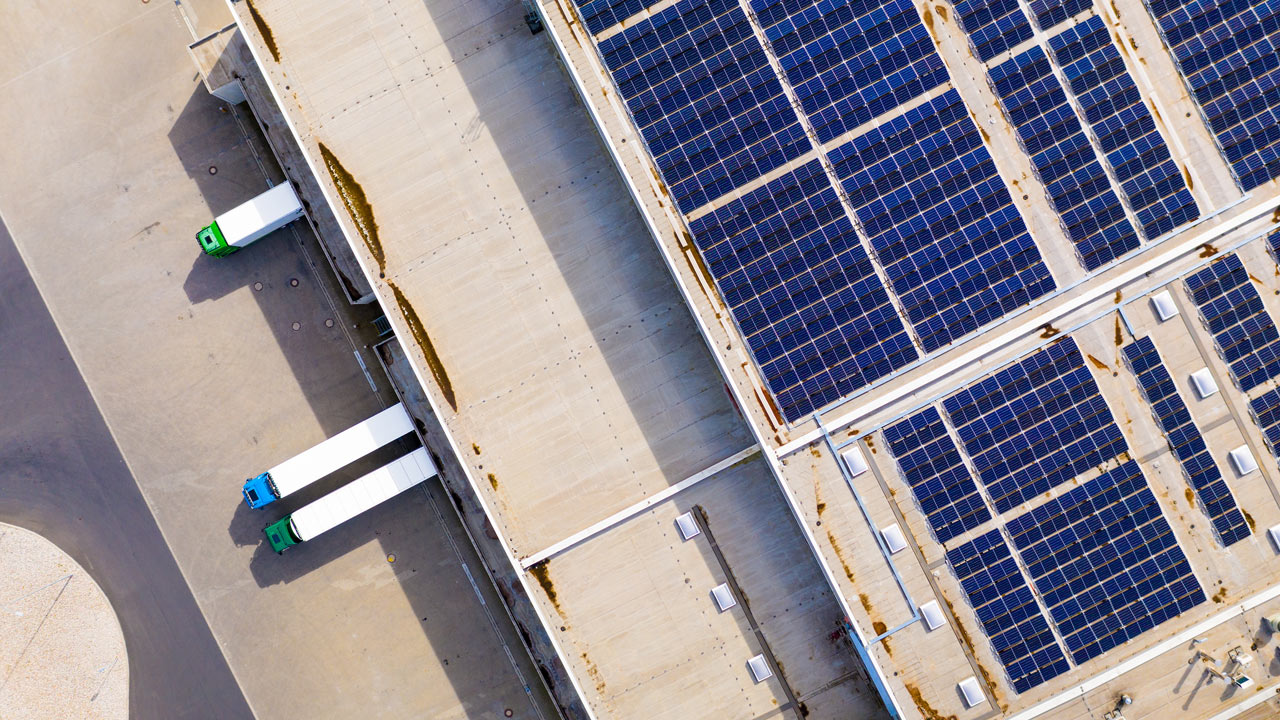
- Install renewables: solar PV and rainwater harvesting to reduce external reliance
- Provide dedicated recycling, reuse, and waste reduction areas on site
- Apply greening: boundary planting, green roofs/walls, bird boxes, and insect habitats
- Use robust, low impact materials meeting BRE Green Guide A or equivalent
- Implement SUDS, EV hookups, and remove on street parking to improve flow
- Provide seating, landscaping, and cycle parking to support wellbeing and streetscape
- Enforce management measures to ensure operational performance and environmental compliance
Prioritising low embodied carbon solutions
Monitoring carbon as projects evolve and move through the concept, detailed design, construction, and post-construction stages is crucial. Measuring embodied carbon through a rigorous assessment can help you make appropriate design decisions to minimise embodied carbon from the outset. Undertaking a module-based Whole Life Carbon Assessment (WLCA) over a 60-year reference study period (RSP) is now a critical part of this process. The choice of low-carbon materials should be encouraged with consideration to their reuse, design life and any ongoing maintenance and/or replacement requirements.
One route to zero carbon is through the reuse and life extension of existing buildings and/or their parts. Repurposing existing buildings may prove challenging for multi-storey logistics facilities, which have relatively bespoke and often quite onerous floor loading requirements and floor-to-floor heights.
For new build projects, the choice of structural framing, envelope systems, clear spans, clear heights and, particularly, floor loads can significantly impact the carbon footprint of a multi-storey logistics building. Specifying high ‘blanket’ floor loads can be tempting for flexibility and futureproofing. This should be challenged, and floor use requirements and clear heights should be interrogated based on their intended use.
The future of logistics
Multi-storey warehouses present a forward-thinking approach to warehouse management, streamlining logistics operations. Combining innovative design, advanced technologies and sustainability considerations, these warehouses can shape the future of logistics by targeting limited land availability and increasing urbanisation. We can deliver the future of logistics.
About the author

John Clayton
John Clayton is a senior director and oversees our building engineering teams.
John is a Chartered Structural Engineer with over 30 years’ experience in the design and delivery of industrial, manufacturing, process, and energy from waste facilities.
John has delivered over 20 million square feet of logistics space within the UK for several key developers and end users. His role includes the due diligence appraisal of sites, and his experience covers low bay, high bay, multi-storey, and air cargo logistics buildings with high levels of automation and complex MHE requirements.
John has also worked on numerous projects across Europe, Asia, and the Middle East, completing concept studies for the delivery of new Air Cargo facilities in Germany and Hong Kong as well as a Logistics development in Abu Dhabi.