
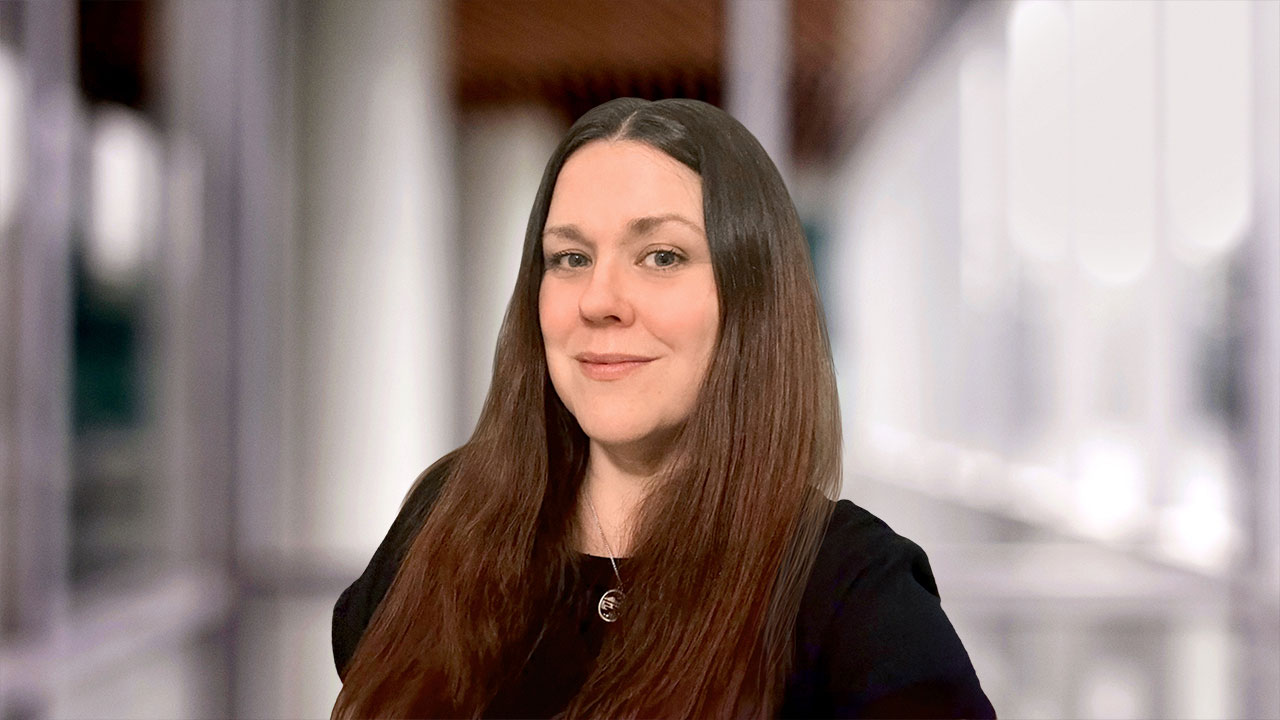
Rachel Kerr, associate director, shares her experience building her career in ecology at Tetra Tech in the UK.

What brought you to Tetra Tech?
I’ve always been fascinated in the natural world and so deciding to study Environmental Science at university was a clear choice for me. I was awarded a scholarship following my undergraduate studies, which allowed me to continue learning with a post graduate Masters degree in Pollution and Environmental Control. Throughout my studies it was obvious that my strengths and interests lay in biology, specifically ecology, and so after finishing university, I sought work in the field of ecological consultancy. I was able to secure a graduate position which allowed me to develop my field skills and through time progress to a fully-fledged Ecologist.
In 2010 I was working in my second consultancy role, when a friend shared an advert for a position at Tetra Tech. I had heard good things about the team and the work they were doing at the time and as I was keen for a new challenge and wanted to develop my career against the backdrop of science led projects – I made the call! I came into interview and I knew then that the variety of work available and the opportunities for career progression were exactly what I wanted. Now as one of our ecology team’s senior members, that’s definitely rung true!
What does your day-to-day job involve?
Working as a technical director involves providing leadership and support to my ecology teams in the North and acting as a guide and mentor for more junior members of staff. I take my responsibilities as a regional team lead and line manager seriously—their success is my success, and championing people’s development is something I take a lot of pride in.
Outside of my team leader duties, I still provide a lot of day-to-day consultancy services on projects, such as technical input to complex problems, and building strong relationships with our clients. As a senior team member, I also head up business development and bid opportunities; which is always exciting!
What is your favourite thing about your job?
It may be a cliché, but honestly, no two days are the same which means it’s always interesting and challenging! However, if I had to choose, I would say that the team, the people I work with day to day, are my favourite part of the job. I am lucky enough to be surrounded by highly skilled colleagues who are passionate about what they do, and that makes each day unique.
What has been your most interesting project to work on throughout your career with Tetra Tech?
I have been involved in many different types of projects over the years, providing ecological advice and support to high profile projects like the Everton Stadium at Bramley Moore Dock in Liverpool, and challenging projects, such as the Grade II listed building Tobacco Warehouse; and extension of life projects for a number of wind farm developments.
Many of the residential developments I have worked on have also been interesting in one way or another as for each, you need to identify and develop innovative ways to retain, protect, enhance and create ecological habitats. I particularly enjoy projects which involve great crested newts, I have designed many great crested newt mitigation schemes and enjoy knowing that there are many populations of newts, frogs and toads flourishing in protected and diverse habitats through our project contributions.
How has Tetra Tech supported you in your career?
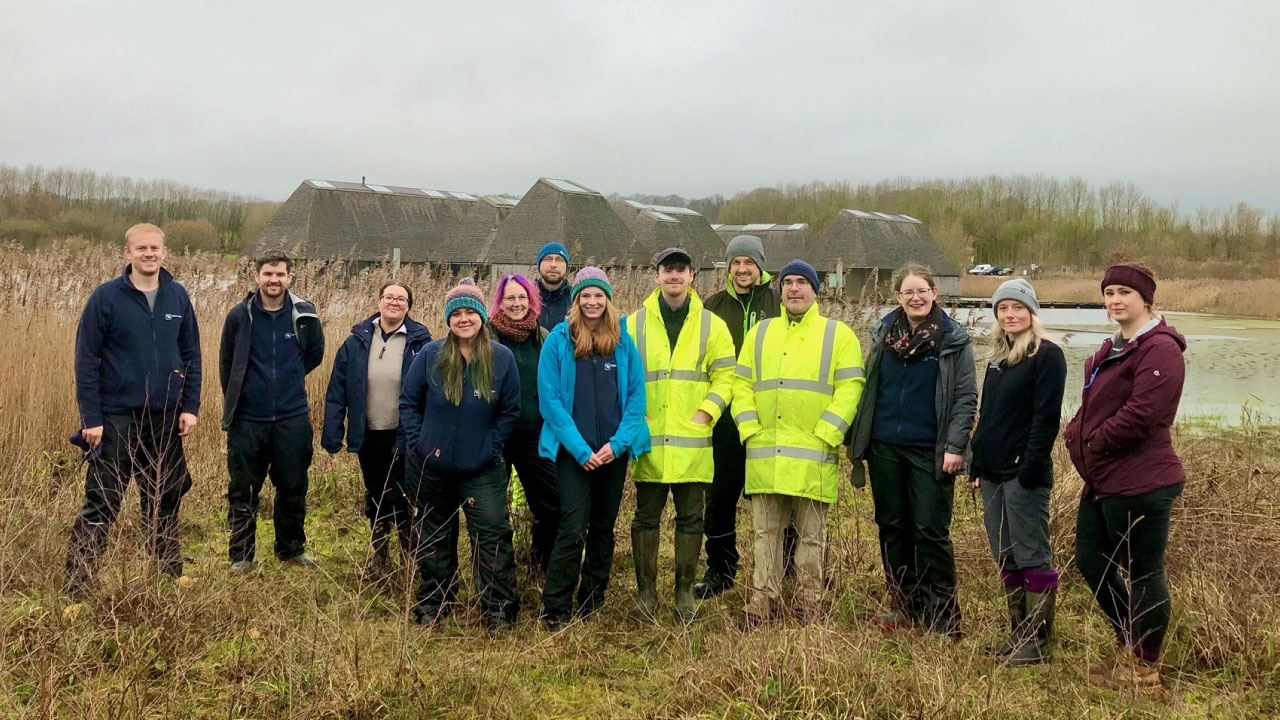
I have been with the company for over a decade now and have been promoted a number of times – from working in a small team of three as a senior ecologist, to principal ecologist leading a local team, to associate ecologist leading the north west region, and now to technical director leading across the North of England. I was promised career development when I joined, and Tetra Tech has absolutely delivered on that – our team has grown as I’ve grown. Tetra Tech encouraged my technical development with bat work and through a mix of voluntary care with my local bat group and work activities, I was able to achieve my Class 2 licence.
Working for a multidisciplinary also means that I’ve been able to get involved in other aspects of the business aside from the technical element of my speciality. This has allowed me to become more rounded and knowledgeable across the industry and develop my skills in promoting the company and recruitment.
Why would you recommend Tetra Tech to others?
I would certainly recommend the company and indeed have! I was actually able to benefit from the referral scheme we run and recommend a team member eight years ago who still works here today!
Mainly, I feel that the company offers the benefits and security of a large consultancy whilst the ecology team still maintains a sense of closeness and camaraderie which is important to so many ecologists. You really do get the best of both worlds.
What is the most exciting thing about the future of your industry?
Ecology as a discipline has always been an exciting and dynamic environment to work in – and despite headlines at the moment that is still the case! There is growing recognition of just how important security of the natural world is with recent assessments highlighting how biodiversity loss and ecosystem collapse can affect national security, resilience and prosperity.
One tool we have to support nature recovery includes, Biodiversity Net Gain (BNG) which has recently celebrated its second birthday! The BNG market has seen significant growth, with over 197 sites now registered to sell units – up from just 46 sites a year ago. This uptake will hopefully continue, and we will see and benefit from bigger, better and more joined-up habitats to halt ecological deterioration.
With proposed changes to legislation and policy on the horizon, clients and colleagues alike will need be aware of ecology now more than ever before so that we can work together to protect and enhance our environment for future generations. As someone who has always had the interests of the environment at heart, it is encouraging to see the inclusion of ecology much earlier on in the development thought process as this will ultimately lead to environmental improvements for us all.